Feeling drained, losing interest in sex, or watching muscle disappear after 40 is common, but not inevitable. Many men attribute these changes to aging alone when declining testosterone and modifiable lifestyle factors are the real drivers.
This guide explains practical steps to restore energy and libido after 40, combining accurate testing, sensible lifestyle changes, and evidence-informed treatment options available in Glendale and across California. You will get concrete examples, what labs to order, and how to safely evaluate testosterone replacement therapy, if needed.
Recognize the pattern: symptoms that point to low testosterone
Low testosterone can present as a cluster of symptoms rather than a single complaint. Look for persistent fatigue, reduced libido, weaker erections, loss of muscle mass, increased body fat, poor concentration, and mood shifts.
Example: a 46-year-old man reports waking unrefreshed, low interest in sex, and a 10 pound weight gain despite little change in diet. When simple fixes fail, hormonal evaluation is a logical next step.
Step 1: Get the right tests at the right time
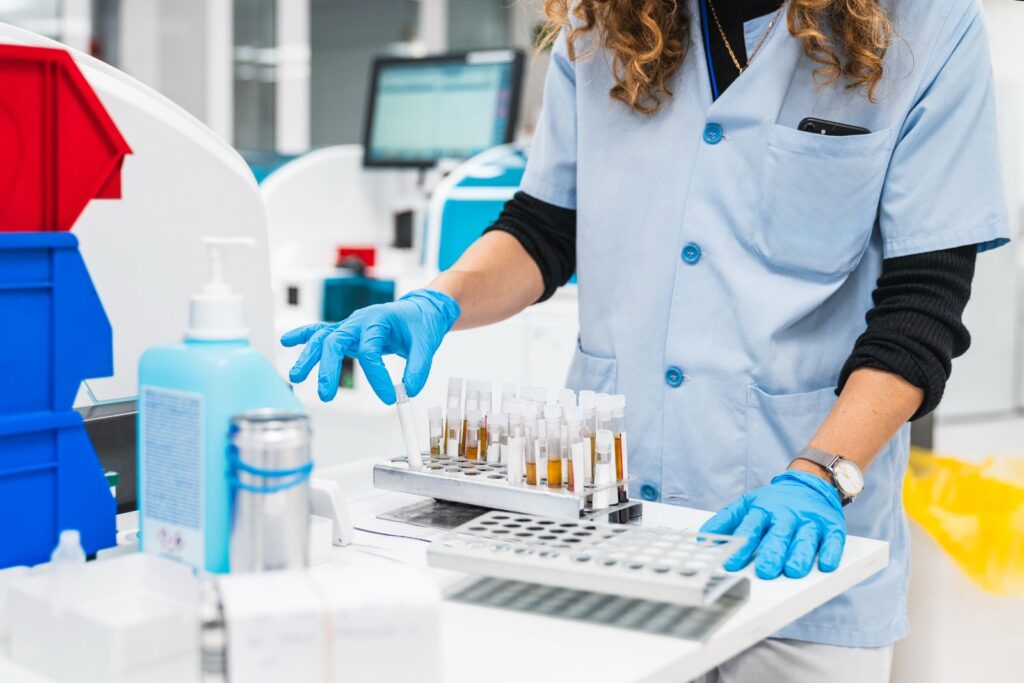
Accurate diagnosis starts with proper labs and timing. A single random testosterone level is rarely enough. Order a morning total testosterone test between 7 and 10 am on at least two separate days when possible.
Important tests include:
- Total testosterone (morning draw)
- Free or bioavailable testosterone when SHBG may be abnormal
- Sex hormone binding globulin (SHBG)
- LH and FSH to screen central versus testicular causes
- Estradiol if gynecomastia or low libido is present
- PSA, CBC, and basic metabolic panel before and during treatment monitoring
In Glendale, many clinics and local labs offer these panels. If access is limited, prioritize total testosterone, PSA, and CBC first and expand testing as needed.
Step 2: Interpret results with context
Normal testosterone ranges vary by lab, but men with consistent total testosterone below roughly 300 ng/dL commonly benefit from evaluation for treatment. Free testosterone helps when SHBG is high or symptoms are discordant with total T.
Consider other causes before assigning blame to testosterone. Sleep apnea, uncontrolled hypothyroidism, certain medications, depression, and obesity can lower testosterone and must be treated concurrently.
Step 3: Start with lifestyle interventions that yield measurable gains
Before or alongside hormone therapy, implement targeted lifestyle changes. These produce measurable hormone and symptom improvements and improve safety if you later start TRT.
- Sleep – Aim for 7 to 9 hours per night. Treat sleep apnea with CPAP when present; it can restore testosterone and libido.
- Resistance training – Two to four sessions weekly focusing on compound lifts increases testosterone and muscle mass.
- Protein and calorie balance – Maintain 0.7 to 1.0 g protein per pound of lean bodyweight and correct excess calories to reduce fat.
- Weight loss – Losing 5 to 10 percent of body weight often raises testosterone significantly in overweight men.
- Reduce alcohol and optimize vitamin D – Excess alcohol lowers testosterone; check and correct vitamin D if low.
- Manage stress – Chronic stress elevates cortisol which counters testosterone. Techniques include mindfulness, structured exercise, and time-blocking.
Actionable example: a 42-year-old man who added 3 weekly resistance workouts, lost 15 pounds, and improved sleep had total T rise from 260 to 340 ng/dL in six months and reported better energy and libido.
Step 4: When to consider medical therapy, including TRT
If symptoms persist despite lifestyle changes and confirmed low testosterone on repeat testing, discuss medical options. Testosterone replacement therapy is effective for restoring libido, energy, and body composition in symptomatic men with true hypogonadism.
Treatment decisions require shared decision making. Clinics in Glendale and California typically offer several delivery methods: intramuscular injections, topical gels, subcutaneous injections, and pellets. Each has pros and cons related to convenience, blood level variability, and skin or transfer risk with gels.
Monitoring and safety: what clinicians should track
Once on TRT, routine monitoring maximizes benefit and minimizes risk. Standard follow up schedule includes labs at baseline, 3 months, then every 6 to 12 months:
- Total testosterone to confirm therapeutic range
- Hematocrit and hemoglobin to watch for polycythemia; consider dose adjustment if hematocrit exceeds 52 to 54 percent
- PSA and digital rectal exam as clinically indicated
- Estradiol if symptoms such as fluid retention or gynecomastia emerge
- Lipid and metabolic panel to track cardiovascular risk factors
Notify providers about new chest pain, shortness of breath, significant swelling, or visual changes immediately. Contraindications include active prostate cancer; a careful history and baseline PSA help identify concerns.
Fertility, libido, and realistic expectations
Important: exogenous testosterone suppresses sperm production in many men. If fertility is a priority, discuss alternatives such as clomiphene citrate, human chorionic gonadotropin, or referral to a reproductive specialist.
Expect improvements in libido and energy within 4 to 12 weeks for many men. Changes in body composition and muscle mass typically appear over 3 to 6 months when therapy is combined with exercise and nutrition.
Choosing a provider in Glendale or online
Look for clinicians who specialize in men’s hormone health and who emphasize testing and monitoring. Ask about experience with the delivery methods you prefer, follow up structure, and emergency contact procedures.
Local options include board-certified endocrinologists, urologists, and men’s health clinics. Telemedicine providers in California can be convenient for follow up visits and lab review, but ensure local lab access for the required monitoring.
Case study: a practical pathway
Mark, 49, felt chronically tired and had low libido. Initial morning total testosterone was 230 ng/dL, LH normal, SHBG slightly elevated, and PSA acceptable. He started a 16-week plan: sleep hygiene, three weekly resistance sessions, dietary changes to lose 12 pounds, and vitamin D replacement.
After three months, energy improved modestly but libido remained low and T stayed under 300. Mark and his clinician agreed on therapeutic trials of testosterone gel, with close monitoring. By month 4 he reported normalized libido and regained 6 pounds of lean mass. Ongoing labs showed stable hematocrit and PSA.
Bottom line
Restoring energy and libido after 40 is often achievable with systematic steps: targeted testing, focused lifestyle changes, and carefully monitored medical therapy when indicated. Use local Glendale resources and California-licensed clinicians to ensure safe, effective care.
Frequently Asked Questions
How is low testosterone diagnosed?
Low testosterone is diagnosed by consistent symptoms plus laboratory confirmation. Obtain morning total testosterone on at least two occasions and consider free testosterone, SHBG, LH, and other tests to clarify the cause.
Can lifestyle changes restore libido and energy without TRT?
Yes. Sleep optimization, resistance training, weight loss, improved nutrition, and reduced alcohol can raise testosterone and improve symptoms for many men. When lifestyle measures are insufficient, medical options are considered.
What tests should I ask my doctor to order?
Start with morning total testosterone, PSA, and CBC. Add free testosterone, SHBG, LH, FSH, and estradiol as needed. Baseline metabolic labs and vitamin D status are also useful.
Is testosterone replacement therapy safe for men over 40?
TRT is safe for many men when prescribed and monitored by experienced clinicians. Important safety checks include hematocrit, PSA, and cardiovascular risk assessment, with ongoing lab follow up.
How long until I notice improvement after starting TRT?
Many men notice better energy and libido within 4 to 12 weeks. Changes in muscle mass and body composition usually take 3 to 6 months and depend on concurrent exercise and nutrition.
Will TRT affect my fertility?
Exogenous testosterone commonly reduces sperm production and can impair fertility. Men who want to preserve fertility should discuss alternatives like clomiphene or hCG with their clinician.
Can I get hormone care in Glendale or by telemedicine in California?
Yes. Glendale has men’s health clinics and specialists, and many California-licensed telemedicine services provide follow up care. Ensure local lab access for required testing and monitoring.
Disclaimer
This blog is for informational and educational purposes only and does not constitute medical advice, diagnosis, or treatment. The content provided is based on general health information and research available as of the publication date. Individual health conditions vary, and what works for one person may not be appropriate for another.
Always consult with a qualified healthcare provider before starting any new treatment, including testosterone replacement therapy (TRT), making changes to existing treatments, or if you have questions about your specific health condition. Never disregard professional medical advice or delay seeking it because of information you read on this blog.
If you are experiencing a medical emergency, call 911 or your local emergency services immediately. The information on this website does not create a doctor-patient relationship and should not be used as a substitute for professional medical advice, diagnosis, or treatment.