
Low testosterone affects many men in Glendale and across California, yet it is often missed or dismissed as normal aging. Recognizing the signs early can improve energy, mood, sexual function, and body composition without unnecessary delay.
This article explains common low testosterone symptoms, how to get reliable testing, the range of treatment options including Testosterone Replacement Therapy (TRT), and practical lifestyle steps you can apply immediately. The goal is to give clear, actionable guidance so you can decide when to consult a clinician.
Common symptoms to watch for
Low testosterone rarely shows with a single clear sign. Instead, you may notice a cluster of symptoms that impact daily life. Common complaints include persistent fatigue, decreased libido, erectile dysfunction, increased body fat, and muscle loss.
Mood and cognitive changes are also important. Men often report low motivation, irritability, difficulty concentrating, and reduced confidence. If these symptoms are new or have worsened over 3-6 months, they warrant evaluation.
How symptoms present in different age groups
Men in their 30s and 40s may notice sexual changes first, such as lower morning erections or a drop in libido. Men in their 50s and beyond commonly report energy and strength loss. Younger men with low testosterone often show weight gain and mood shifts. Context matters: symptoms after weight gain, injury, or surgery may point to reversible causes.
When and how to get tested
Testing is the only way to confirm low testosterone. Many men delay testing because they fear treatment or dismiss symptoms as stress. If symptoms are persistent and affect quality of life, testing is reasonable.
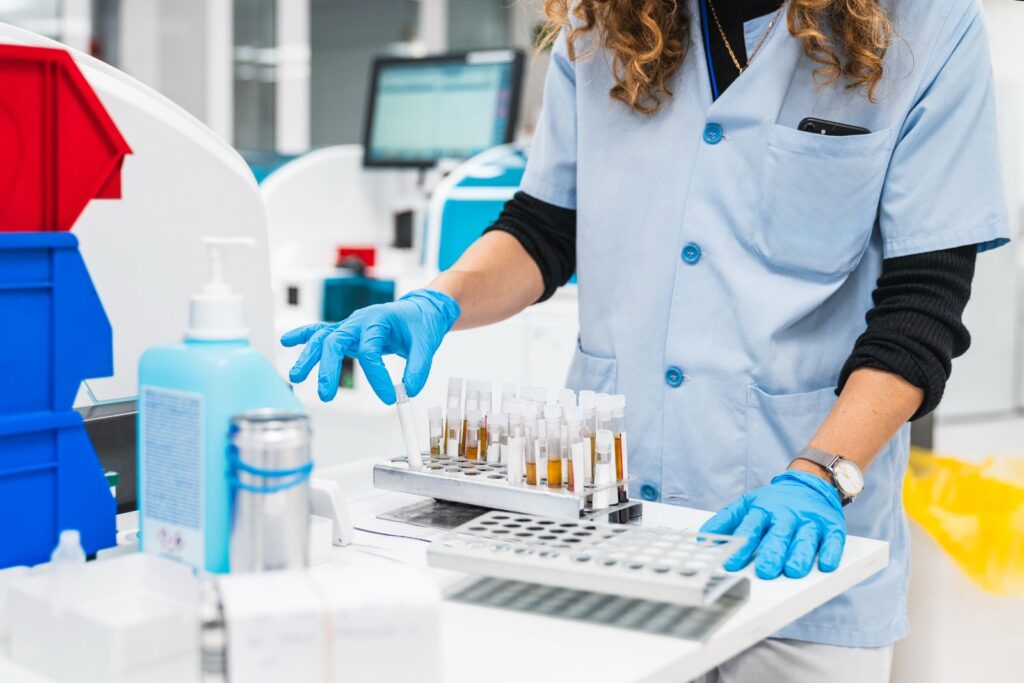
Optimal testing includes a combination of symptom assessment and lab tests. Clinicians typically start with total testosterone measured in the morning between 7:00 and 10:00 AM, when levels are highest. Two separate low readings on different days increase diagnostic accuracy.
Recommended lab panel
Ask for a comprehensive panel rather than a single number. Useful tests include:
- Total testosterone (AM sample)
- Free testosterone or calculated free testosterone if SHBG is abnormal
- Sex hormone binding globulin (SHBG)
- Luteinizing hormone (LH) and follicle-stimulating hormone (FSH) to assess primary versus secondary causes
- Prolactin and morning cortisol when pituitary disorders are suspected
- Basic metabolic panel, lipid panel, and hematocrit to check overall health and TRT safety
Interpretation should be individualized. A borderline total testosterone of 250-350 ng/dL may require correlation with symptoms and free testosterone. Providers in Glendale often use thresholds somewhat aligned with Endocrine Society guidelines, but clinical judgment is essential.
Treatment options: TRT and alternatives
Treatment begins with identifying the cause. If lifestyle factors such as obesity, sleep apnea, or medications are drivers, addressing those can restore testosterone without medication. When these steps are insufficient and symptoms are significant, TRT becomes an option.
TRT is available in multiple forms: gels, transdermal patches, intramuscular injections, and subcutaneous pellets. Each option has pros and cons. Choice depends on preferences, cost, monitoring capability, and risk factors.
Comparing common TRT methods
- Topical gels provide steady absorption and are easy to use, but require careful application and risk transfer to partners or children.
- Injections can be short-acting or long-acting and offer flexible dosing. They may cause peaks and troughs in symptoms unless dosed frequently and monitored.
- Subcutaneous pellets release hormone steadily for 3-6 months. Pellet insertion requires a minor procedure and carries a small infection risk.
Discuss fertility goals before starting TRT. Exogenous testosterone often suppresses sperm production. Men who want to preserve fertility may be offered alternative therapies such as clomiphene citrate or human chorionic gonadotropin to stimulate natural testosterone production.
Safety monitoring and expected benefits
TRT requires structured follow-up. Typical monitoring includes testosterone levels, hematocrit, prostate-specific antigen when age-appropriate, liver function if concerns arise, and symptom tracking. A baseline and periodic measurement schedule helps reduce risk.
Many men notice improvements in energy, libido, and mood within 4-12 weeks. Changes in body composition, including mild muscle gain and fat loss, become more apparent after 3-6 months. If benefits are absent after a reasonable trial and levels are therapeutic, reassess the diagnosis.
Managing common side effects
Increased hematocrit is common and requires attention because high values raise clot risk. Minor skin irritation can occur with topical therapies. Some men report fluid retention or acne. Open communication with your clinician allows dose adjustment or method change when needed.
Lifestyle strategies to boost testosterone naturally
Lifestyle changes are foundational both before and during medical treatment. These steps improve health and often augment medical therapy.
- Weight loss: Losing 5-10 percent of body weight can raise testosterone significantly in men with obesity.
- Exercise: Resistance training 3-4 times per week and high-intensity interval training can increase testosterone and improve body composition.
- Sleep: Strive for 7-9 hours nightly. Sleep apnea evaluation and treatment can restore testosterone in affected men.
- Nutrition: Prioritize protein, healthy fats, and micronutrients like vitamin D, zinc, and magnesium when deficient.
- Stress management: Chronic stress elevates cortisol, which can lower testosterone. Techniques such as mindfulness, structured breaks, and counseling help.
These measures are practical and low risk. For example, a supervised weight-loss program combined with resistance training can move many men out of the symptomatic range without immediate TRT.
Real-world example
Consider a 48-year-old man in Glendale who reports low energy, decreased libido, and 12 pounds of weight gain over 9 months. Morning total testosterone measured 260 ng/dL on two separate visits. After treating sleep apnea, starting a resistance program, and losing 8 pounds, his testosterone rose to 320 ng/dL and symptoms partially improved. Because sexual function remained poor, his clinician discussed topical TRT versus clomiphene therapy depending on fertility plans. He chose topical TRT with close monitoring and noted better energy in 6 weeks and gradual muscle gains over 4 months.
Choosing a provider in Glendale
Look for clinicians with experience in hormone management and a protocol that includes symptom assessment, thorough testing, informed consent, and follow-up. Clinics that offer individualized treatment plans and laboratory monitoring on site provide convenience and continuity.
Always ask about cost, expected monitoring frequency, and fertility-sparing options. A good clinic will discuss risks, benefits, alternatives, and lifestyle strategies as part of the plan.
Frequently Asked Questions
What are common low testosterone symptoms?
Common symptoms include fatigue, reduced libido, erectile dysfunction, increased body fat, and loss of muscle mass. Men also report mood changes like irritability, low motivation, and difficulty concentrating.
How is low testosterone diagnosed?
Diagnosis requires morning total testosterone measured on at least two occasions and correlation with symptoms. A comprehensive panel including free testosterone, SHBG, LH, and basic health labs improves diagnostic accuracy.
Is Testosterone Replacement Therapy safe?
TRT is generally safe when monitored properly. Key safety checks include hematocrit, prostate health when age-appropriate, and symptom tracking; risks are reduced with regular follow-up.
How long does TRT take to work?
Many men notice improved energy and libido within 4-12 weeks, while body composition changes take 3-6 months. Individual response varies with dose, formulation, and underlying health.
Can lifestyle changes increase testosterone?
Yes. Weight loss, resistance training, better sleep, and treating sleep apnea can significantly raise testosterone in many men. These changes are first-line and supplement medical treatment.
Will TRT affect fertility?
Exogenous testosterone often suppresses sperm production and can impair fertility. Men who want children should discuss alternatives like clomiphene or hCG before starting TRT.
Disclaimer
This blog is for informational and educational purposes only and does not constitute medical advice, diagnosis, or treatment. The content provided is based on general health information and research available as of the publication date. Individual health conditions vary, and what works for one person may not be appropriate for another.
Always consult with a qualified healthcare provider before starting any new treatment, including testosterone replacement therapy (TRT), making changes to existing treatments, or if you have questions about your specific health condition. Never disregard professional medical advice or delay seeking it because of information you read on this blog.
If you are experiencing a medical emergency, call 911 or your local emergency services immediately. The information on this website does not create a doctor-patient relationship and should not be used as a substitute for professional medical advice, diagnosis, or treatment.