Many men in their 40s notice lower energy, reduced libido, and less muscle despite steady workouts. These changes can be signs of declining testosterone, but they are not inevitable. With targeted lifestyle steps you can often improve hormone balance without starting Testosterone Replacement Therapy immediately.
This guide gives practical, evidence-informed actions you can use in Glendale or anywhere in California. It covers testing, specific training and nutrition strategies, sleep and stress tactics, sensible supplement use, and clear criteria for when to consult a clinician about TRT.
How to confirm low testosterone: testing and interpretation
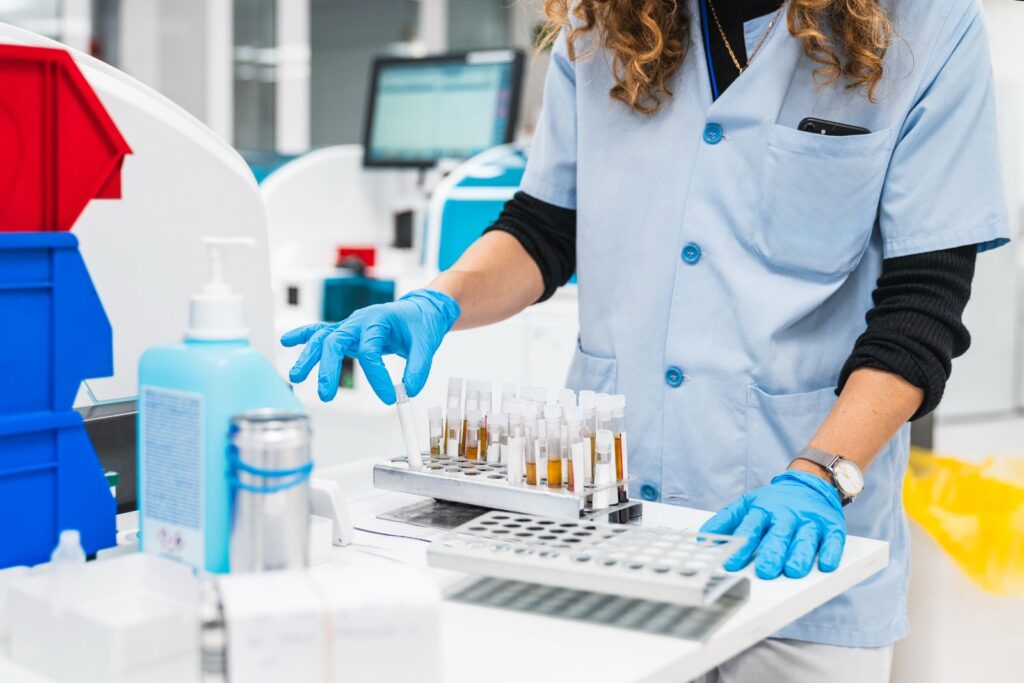
Start by getting accurate labs before changing habits or taking supplements. Order morning labs between 7:00 and 10:00 am when testosterone is highest. Key tests include total testosterone, free testosterone or calculated free T, SHBG, LH, FSH, prolactin, estradiol, CBC, and metabolic panel.
Interpret results with symptoms. A single borderline low number is not always diagnostic. Most clinicians want at least two low morning readings taken on different days plus consistent symptoms before diagnosing hypogonadism.
Eight-week natural optimization plan
This 8-week protocol targets the main lifestyle drivers of testosterone. It is realistic for busy men and gives measurable checkpoints at 8 and 12 weeks.
- Strength training: 3 sessions per week focusing on compound lifts like squat, deadlift, and bench press. Use 3-5 sets of 4-8 reps for strength twice weekly and 8-12 reps for hypertrophy once weekly.
- High-intensity interval training: 1-2 sessions per week of 10-15 minutes of hill sprints or bike intervals. Keep steady-state cardio moderate to avoid excessive energy deficit.
- Protein and calories: Aim for 0.7 to 1.0 grams of protein per pound of bodyweight daily. If you need fat loss, target a 250-500 calorie daily deficit; avoid very low calories for long periods.
- Healthy fats and carbs: Include 20 to 35 percent of calories from fats, emphasizing monounsaturated and omega-3 sources. Time carbohydrates around workouts to support performance.
- Sleep and circadian routine: Prioritize 7 to 9 hours nightly with consistent bed and wake times. Remove screens 60 minutes before bed and keep the bedroom cool and dark.
- Stress management: Practice 10 to 20 minutes daily of breathing, meditation, or short walks. Reduce chronic cortisol exposure with scheduled recovery days.
Training details and sample week
Here is a practical training week for men balancing work and family life. Adjust volumes to fitness level and recovery capacity.
- Monday – Strength A: Squat 4 sets x 5 reps, Romanian deadlift 3×8, pull-up 3×6-8
- Wednesday – HIIT + Core: 10 rounds 20 s sprint/40 s rest, plank 3×60 s
- Friday – Strength B: Bench press 4×5, bent-over row 3×8, overhead press 3×6
- Saturday – Hypertrophy: Lunges 3×12, incline dumbbell press 3×10, face pulls 3×15
Prioritize progressive overload and recovery. If energy drops, reduce volume before increasing rest periods between sessions.
Nutrition specifics that support testosterone
Hormone-friendly nutrition focuses on adequate calories, quality protein, and micronutrients. Here are specific targets and food examples.
- Protein: 0.7 to 1.0 g per pound bodyweight. Sources: lean beef, salmon, eggs, Greek yogurt, legumes.
- Calories: For fat loss aim for a 250-500 calorie deficit. For muscle gain keep a 200-400 calorie surplus with a focus on strength training.
- Fats: 20 to 35 percent of calories. Include olive oil, avocados, walnuts, and fatty fish for omega-3s.
- Micronutrients: Get vitamin D from sunlight or supplements, zinc from oysters and pumpkin seeds, magnesium from leafy greens and nuts.
Example meal: grilled salmon, quinoa, sautéed spinach with olive oil, and a side of mixed nuts. This plate supports testosterone-friendly fats and vitamin D intake.
Supplements with evidence and safe dosing
No pill replaces good sleep, training, and diet. Still, some supplements have supportive data for men with insufficiencies or mild declines.
- Vitamin D: If deficient aim for 2,000 to 5,000 IU daily until levels reach 30 to 50 ng/mL. Recheck labs after 8 to 12 weeks.
- Zinc: 15 to 30 mg daily if dietary intake is low or deficiency confirmed. Long-term high doses can impair copper balance.
- Magnesium: 200 to 400 mg nightly can improve sleep and recovery in deficient individuals.
- Ashwagandha: Small trials show modest improvements in stress and libido. Typical dosing is 300 to 600 mg daily of a standardized extract.
Avoid over-the-counter testosterone boosters that lack clinical evidence. Discuss any supplement with your provider, especially if you take prescription medications.
When lifestyle changes are not enough: when to consider TRT
If after 8 to 12 weeks of targeted lifestyle changes you still have significant symptoms and repeat labs show low testosterone, discuss TRT with a qualified clinician. Indications typically include consistent symptoms plus low morning total or free testosterone on at least two occasions.
Before starting TRT, clinicians evaluate fertility goals, prostate health, hematocrit, and cardiovascular risk. If TRT is initiated, labs should be monitored regularly to adjust dosing and optimize safety.
Local resources and next steps in Glendale
Men in Glendale can use local labs for timely morning draws and seek clinicians experienced with TRT and hormone optimization. Use educational resources like TRTGlendale.com to learn about testing standards and how to prepare for an informed clinic visit.
Begin with a clear symptom log, two morning lab sets, and an 8-week lifestyle trial. Track sleep, training load, diet, and mood to create a useful record for your clinician.
Frequently Asked Questions
How long does it take to raise testosterone naturally?
Noticeable changes often appear within 8 to 12 weeks when you implement combined training, nutrition, sleep, and stress strategies. Lab improvements can be seen in 8 to 12 weeks, but full body composition changes may take longer.
Which foods help increase testosterone?
Foods rich in vitamin D, zinc, healthy fats, and high-quality protein support hormone production. Examples include fatty fish, eggs, lean red meat, nuts, and leafy greens.
When should I test my testosterone levels?
Test in the morning between 7:00 and 10:00 am for the most reliable results. If you have symptoms, get two separate morning tests on different days before making treatment decisions.
Can exercise alone fix low testosterone?
Exercise, especially resistance training and HIIT, significantly helps but is often not enough if sleep, diet, or medical issues are poor. Combine exercise with other lifestyle changes for the best results.
Are supplements effective for boosting testosterone?
Supplements like vitamin D, zinc, and magnesium help if you are deficient and can support recovery and hormone function. Evidence for herbal boosters is mixed; use only quality products and discuss with a clinician.
When is TRT the right choice?
TRT is considered when you have consistent symptoms and confirmed low morning testosterone on repeat testing. A clinician will weigh benefits, fertility goals, and monitoring needs before starting therapy.
Conclusion
For men in their 40s, improving testosterone naturally is realistic when you address the main lifestyle drivers: training, nutrition, sleep, and stress. Use objective testing, follow an 8-week plan, and reassess symptoms and labs before considering TRT. If symptoms persist despite a disciplined approach, consult a qualified provider in Glendale to review targeted treatment options and safety monitoring.
Disclaimer
This blog is for informational and educational purposes only and does not constitute medical advice, diagnosis, or treatment. The content provided is based on general health information and research available as of the publication date. Individual health conditions vary, and what works for one person may not be appropriate for another.
Always consult with a qualified healthcare provider before starting any new treatment, including testosterone replacement therapy (TRT), making changes to existing treatments, or if you have questions about your specific health condition. Never disregard professional medical advice or delay seeking it because of information you read on this blog.
If you are experiencing a medical emergency, call 911 or your local emergency services immediately. The information on this website does not create a doctor-patient relationship and should not be used as a substitute for professional medical advice, diagnosis, or treatment.