Many men notice low energy, reduced libido, or slower muscle gains and wonder if low testosterone is the cause. You can take practical, evidence-informed steps that often improve testosterone naturally within 90 days while also learning when medical evaluation or Testosterone Replacement Therapy (TRT) is needed.
This guide gives a clear, actionable 90-day plan focused on testing, lifestyle interventions, nutrition, exercise, sleep, and when to consult a clinician in Glendale, CA. It combines clinical testing advice with daily habits you can implement right away for more energy, better body composition, and improved mood.
Start with accurate testing and diagnosis
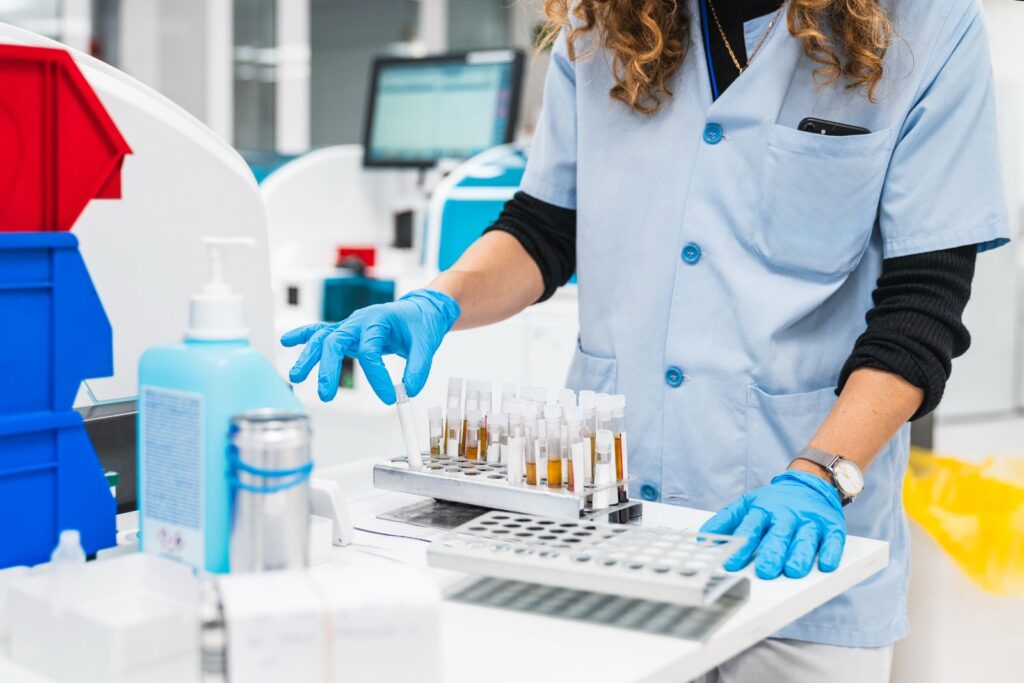
Before changing treatments or taking supplements, get reliable hormone testing. Order morning labs between 7-10 am when testosterone is highest. Ask your provider for:
- Total testosterone and free testosterone
- Sex hormone binding globulin (SHBG)
- Luteinizing hormone (LH) and follicle-stimulating hormone (FSH)
- Prolactin and thyroid-stimulating hormone (TSH)
- Basic metabolic panel, fasting glucose or A1c, and lipid panel
- For men over 40: PSA and a complete blood count
If results are low, repeat the morning test on a second day to confirm. This step avoids misdiagnosis from temporary dips due to illness, poor sleep, or acute stress.
90-day lifestyle blueprint that raises testosterone
This plan prioritizes the highest-impact changes first. Aim to implement the core items in the first 30 days, then intensify training and refine nutrition in months two and three.
Sleep and recovery
Sleep drives hormone regulation. Target 7-9 hours nightly with consistent bed and wake times. Improve sleep quality by reducing evening screen time, avoiding late caffeine, and using blackout curtains or a sleep mask. Short-term improvement in testosterone is often seen after sleep normalizes.
Strength training and conditioning
Resistance training is one of the strongest natural stimulators of testosterone. Follow this weekly template:
- 3 full-body resistance sessions per week focusing on compound lifts: squats, deadlifts, bench press, rows.
- 2 sessions of high-intensity interval training (HIIT) or sprint work for 10-15 minutes.
- Allow 48-72 hours recovery between heavy sessions for the same muscle groups.
Example week: Monday heavy full-body, Wednesday HIIT + mobility, Friday heavy full-body, Saturday optional light conditioning. Progressive overload and adequate protein are essential.
Nutrition and body composition
Body fat reduction often improves testosterone. Aim for a modest calorie deficit of 200-500 kcal per day if you need to lose weight. If you are underweight, prioritize calorie surplus and strength training.
- Protein: 1.2-1.8 g/kg bodyweight per day to preserve muscle.
- Healthy fats: 20-35 percent of calories, including sources of monounsaturated and saturated fats from whole foods.
- Limit highly processed carbs and excess alcohol, which lower testosterone when used chronically.
Specific foods linked to hormonal health include oily fish, eggs, nuts, cruciferous vegetables, and enough dietary cholesterol from whole foods when not contraindicated.
Vitamin and mineral support
Deficiencies can suppress testosterone. Check labs and consider targeted supplementation if tests show low levels.
- Vitamin D3: 1,000-4,000 IU daily after checking serum 25-hydroxyvitamin D. Sunlight exposure in midday also helps.
- Magnesium: 200-400 mg nightly for sleep and recovery.
- Zinc: 10-30 mg daily short-term if deficient; long-term high doses are not recommended without monitoring.
Consult a clinician before starting new supplements, especially if you take other medications or have kidney disease.
Addressing medical causes and medications
Several medical conditions and drugs cause low testosterone. Common reversible causes include obesity, sleep apnea, uncontrolled diabetes, and certain medications such as long-term opioids and some antidepressants.
If testing shows low morning testosterone with low or normal LH, this suggests central hypogonadism and requires endocrinology or urology input. High LH with low testosterone suggests primary testicular dysfunction. These patterns determine whether TRT or other interventions are appropriate.
When to consider Testosterone Replacement Therapy (TRT)
TRT is an evidence-based option for men with confirmed, persistent low testosterone and clinically significant symptoms such as low libido, fatigue, or muscle loss. Discuss risks and benefits with a qualified provider who orders comprehensive baseline labs and monitors hematocrit, PSA, and lipid changes.
Key considerations before starting TRT:
- Documentation of consistently low morning testosterone on at least two occasions
- Assessment for fertility goals, since TRT can suppress sperm production
- Understanding monitoring schedule: labs at baseline, 3 months, and then every 6-12 months
Practical 12-week example plan
Week 1-4: Focus on testing, sleep, and establishing a resistance program. Start vitamin D3 if deficient and correct major nutritional gaps.
Week 5-8: Increase workout intensity, add HIIT, aim for steady body fat loss if needed, and reassess sleep quality. Re-check vitamin and mineral levels if applicable.
Week 9-12: Re-test morning testosterone and metabolic labs. If symptoms persist and labs confirm low levels, consult a hormone specialist to discuss TRT or further endocrine evaluation.
Local access and next steps in Glendale
For residents of Glendale and nearby communities, many clinics and lab centers offer morning blood draws and telemedicine consultations. When seeking a provider, prioritize clinicians who order a complete set of hormones, explain potential causes, and offer a documented monitoring plan if TRT is initiated.
Bring a symptom diary and a list of current medications to every appointment. This makes it easier to spot medication-related causes and to track progress objectively.
Monitoring progress and realistic expectations
Natural interventions often improve symptoms within 6-12 weeks if consistently applied. Expect incremental gains: increased energy, improved mood, better gym performance, and modest increases in libido. Significant lab changes may take longer and depend on baseline health.
If after 90 days you have made consistent lifestyle changes but still have bothersome symptoms and confirmed low testosterone, a specialist consultation is the logical next step to discuss medical treatment options.
Frequently Asked Questions
How long does it take to raise testosterone naturally?
Many men see symptom improvement within 6-12 weeks with focused changes to sleep, exercise, and nutrition. Measurable lab changes can take 8-12 weeks or longer depending on baseline health and adherence. Repeat morning labs after consistent changes to verify improvement.
What tests confirm low testosterone?
Start with morning total testosterone and free testosterone plus SHBG. Follow-up tests include LH, FSH, prolactin, TSH, metabolic panel, and glucose. Repeating morning tests on a separate day is important to confirm persistent low levels.
Can supplements like vitamin D and zinc help testosterone?
Supplements correct deficiencies that suppress testosterone. Vitamin D3 and zinc can help if levels are low, but they are not a cure for all causes of low testosterone. Always check labs and consult your clinician before starting supplements.
Will losing weight increase my testosterone?
Yes. Reducing excess body fat often improves testosterone and insulin sensitivity. Aim for gradual weight loss through diet and resistance training to preserve muscle while lowering fat.
When should I see a doctor about TRT?
See a clinician when you have persistent symptoms and at least two confirmed morning testosterone tests showing low levels. A specialist can assess underlying causes, discuss fertility concerns, and outline monitoring if you start TRT.
Can certain medications lower testosterone?
Yes. Long-term opioids, some antidepressants, glucocorticoids, and specific blood pressure drugs can reduce testosterone. Review all medications with your provider to identify reversible causes before starting TRT.
Improving low testosterone is both a lifestyle and medical process. Start with accurate testing and prioritized lifestyle changes, track your progress for 90 days, and then re-evaluate with labs. If problems persist, consult a qualified clinician to discuss further evaluation or TRT options that match your health goals.
Disclaimer
This blog is for informational and educational purposes only and does not constitute medical advice, diagnosis, or treatment. The content provided is based on general health information and research available as of the publication date. Individual health conditions vary, and what works for one person may not be appropriate for another.
Always consult with a qualified healthcare provider before starting any new treatment, including testosterone replacement therapy (TRT), making changes to existing treatments, or if you have questions about your specific health condition. Never disregard professional medical advice or delay seeking it because of information you read on this blog.
If you are experiencing a medical emergency, call 911 or your local emergency services immediately. The information on this website does not create a doctor-patient relationship and should not be used as a substitute for professional medical advice, diagnosis, or treatment.