Understanding how testosterone converts into other hormones is essential for men considering Testosterone Replacement Therapy and for those managing symptoms like hair loss, low libido, or weight gain. Conversion pathways change symptoms, lab results, and treatment choices, so a clear grasp of mechanisms and practical steps can improve outcomes.
This article explains the main conversion pathways of testosterone, how they affect health, how to test and interpret labs, and evidence-informed strategies to manage excess conversion. Expect actionable advice, real-world examples, and clinical monitoring tips relevant to men in Glendale and beyond.
How testosterone is metabolized: the two main pathways
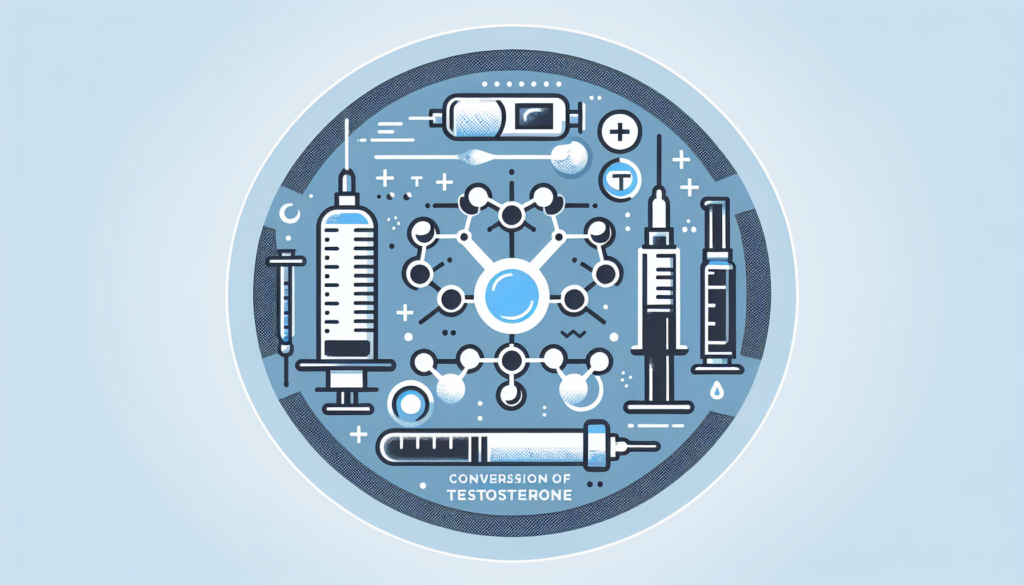
Testosterone leaves the testicles and circulates bound to proteins. In tissues it converts mainly in two ways: to dihydrotestosterone – DHT – via 5-alpha reductase, and to estradiol via aromatase. Each pathway has distinct effects on hair, prostate, body composition, mood, and sexual function.
DHT is more potent at androgen receptors than testosterone and plays a big role in prostate health and hair follicle sensitivity. Estradiol affects bone density, libido, mood, fat distribution, and cardiovascular markers. The balance between these metabolites often explains why two men with similar testosterone levels feel different.
Why conversion matters during TRT
When exogenous testosterone is introduced through TRT, circulating levels rise and more substrate is available for conversion. Some men see benefits like improved energy and muscle mass, while others develop unwanted changes such as acne, hair loss, or increased breast tissue.
Understanding conversion helps clinicians tailor therapy. For example, a man with low libido and low estrogen signs may need different adjustments than someone with acne and signs of high DHT.
Interpreting lab tests: which numbers to watch
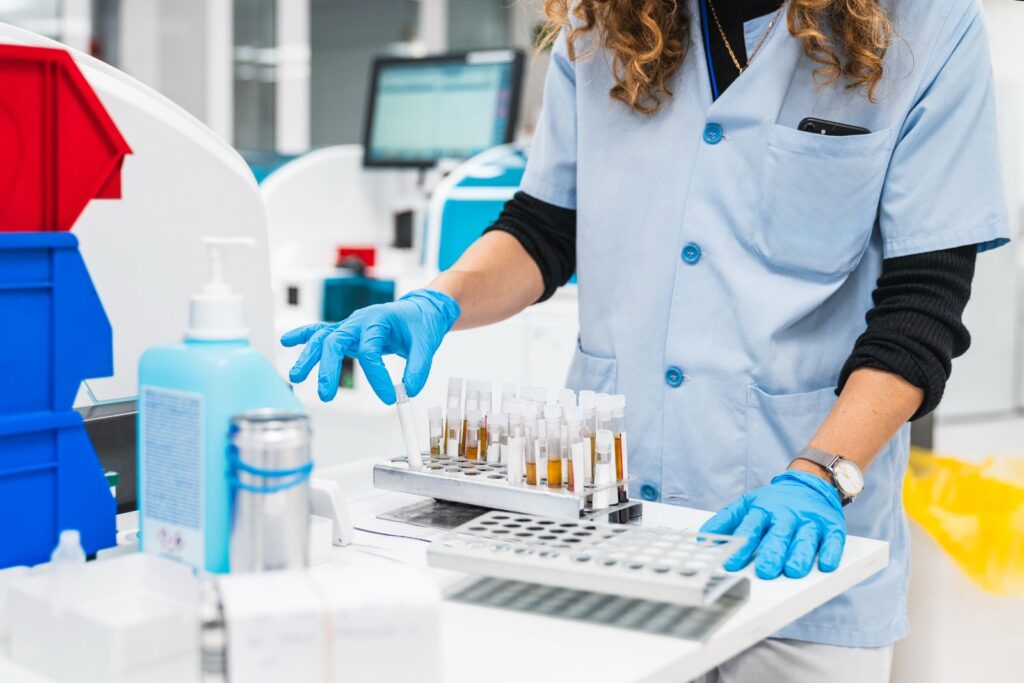
Accurate testing guides treatment decisions. Order labs in the morning, ideally between 7-10 am when natural testosterone peaks. Fasting is helpful but not always necessary for hormone panels.
- Total testosterone and free testosterone – baseline androgen status.
- Estradiol – measures aromatization; symptoms correlate with both low and high values.
- DHT – assesses 5-alpha reduction; useful if hair loss or prostate symptoms occur.
- SHBG – influences free testosterone availability.
- LH and FSH – evaluate testicular function if diagnosing low T.
- Prolactin, CBC, PSA, lipids – safety and broader health monitoring while on TRT.
Target ranges vary by lab and clinical context. Use symptom-guided targets rather than single lab numbers. Discuss ranges and repeat testing 4-12 weeks after any major dose change.
Common clinical scenarios and management steps
Below are typical patient examples and pragmatic responses clinicians use. These are educational and not a substitute for consultation.
1. Hair loss after starting TRT
Hair loss often reflects increased DHT in scalp tissue. Options include topical or systemic 5-alpha reductase inhibitors, changing testosterone dose, or switching to modalities with different conversion profiles such as combined therapies.
- Discuss finasteride for type II 5-alpha reductase inhibition and dutasteride for broader inhibition with a clinician.
- Topical minoxidil remains useful for follicle stimulation alongside DHT control.
2. Gynecomastia or breast tenderness
These signs suggest elevated estradiol. Strategies include dose adjustment, optimizing body composition, and in some cases short-term use of aromatase inhibitors under supervision.
3. Fat gain and low energy despite normal total T
High aromatization in adipose tissue can raise estradiol and suppress the hypothalamic-pituitary axis. Lifestyle steps help significantly: reduce alcohol, lose visceral fat, and focus on resistance training. If symptoms persist, evaluate labs and discuss therapy adjustments.
Medications and supplements that influence conversion
Clinical options to alter conversion require supervision because they can cause unwanted effects.
- 5-alpha reductase inhibitors reduce DHT. They can improve scalp hair retention but may affect libido in a minority of men.
- Aromatase inhibitors lower estradiol. Used cautiously, because very low estradiol harms bone and mood.
- Selective estrogen receptor modulators – SERMs – may be used in specific situations like infertility to raise LH and FSH.
- Supplements with evidence like zinc and vitamin D may support healthy testosterone production, but their impact on conversion is modest.
Always weigh risks and benefits. For example, suppressing estrogen too much can lower libido, reduce bone density, and worsen cholesterol. Work with a clinician to titrate and monitor therapy.
Lifestyle strategies to favorably shift conversion
Non-pharmacologic measures often produce meaningful changes and reduce reliance on medications.
- Body composition: Losing 5-10 percent of body weight can reduce aromatase activity in fat tissue.
- Strength training: Preserves muscle mass and can increase resting metabolic rate.
- Alcohol moderation: Alcohol increases aromatase activity and estradiol levels, so reduce intake to improve hormone balance.
- Nutrition: Prioritize protein, healthy fats, and fiber. Limit high-sugar, processed foods that promote visceral fat.
- Sleep and stress: Improve sleep hygiene and reduce chronic stress to support hypothalamic-pituitary function.
Monitoring and safety: what to check and when
After starting or changing TRT or conversion-modifying drugs, schedule labs at 4-12 weeks, then every 3-6 months once stable. Monitor:
- Total and free testosterone
- Estradiol and DHT when symptoms suggest imbalance
- Hematocrit and hemoglobin to screen for polycythemia
- PSA in men over 40 or with prostate risk factors
- Lipid panel and basic metabolic profile annually
If you notice mood changes, sexual dysfunction, or new breast tissue, contact your clinician promptly for evaluation and possible adjustment.
Practical takeaways for men in Glendale
Start with accurate symptoms documentation and morning labs. When on TRT, expect some increased conversion and plan monitoring. Use lifestyle changes first for mild conversion issues, and reserve medication interventions for persistent or bothersome symptoms.
Consult a hormone specialist if you have complex symptoms, fertility concerns, or significant side effects. Local clinics in Glendale can provide coordinated testing, imaging, and individualized treatment plans that balance benefits and safety.
Frequently Asked Questions
What causes testosterone to convert to DHT and estradiol?
Conversion depends on enzyme activity in tissues: 5-alpha reductase converts testosterone to DHT, while aromatase converts it to estradiol. Enzyme levels are influenced by genetics, body fat, medications, and age.
Can I prevent hair loss on TRT without stopping therapy?
Yes. Many men use 5-alpha reductase inhibitors like finasteride with clinician oversight, and topical minoxidil can help. Work with your provider to balance sexual function and hair preservation.
How often should I test estradiol and DHT while on TRT?
Test 4-12 weeks after starting or changing doses, then every 3-6 months when stable. Check sooner if symptoms like gynecomastia, new sexual changes, or hair loss appear.
Are aromatase inhibitors safe to use long term?
Aromatase inhibitors can be effective but require caution because low estradiol harms bone density and mood. Long-term use should include bone health monitoring and regular clinical review.
Will losing weight change my hormone conversion rates?
Yes. Reducing visceral fat typically lowers aromatase activity and estradiol levels, which can restore a healthier testosterone-to-estrogen ratio and improve symptoms.
Do supplements like zinc or vitamin D stop conversion?
Supplements support overall hormone health but do not substantially block conversion. They are helpful adjuncts, not substitutes for targeted medical therapy when conversion causes symptoms.
Conclusion
Testosterone conversion is a key determinant of symptoms and treatment response for men with low T or those on TRT. By understanding DHT and estradiol pathways, using targeted labs, and combining lifestyle changes with selective medical therapy, men can optimize outcomes and minimize side effects.
For personalized care, document symptoms clearly, get proper morning labs, and consult a qualified hormone specialist to build a monitored plan that fits your goals and health needs.
Disclaimer
This blog is for informational and educational purposes only and does not constitute medical advice, diagnosis, or treatment. The content provided is based on general health information and research available as of the publication date. Individual health conditions vary, and what works for one person may not be appropriate for another.
Always consult with a qualified healthcare provider before starting any new treatment, including testosterone replacement therapy (TRT), making changes to existing treatments, or if you have questions about your specific health condition. Never disregard professional medical advice or delay seeking it because of information you read on this blog.
If you are experiencing a medical emergency, call 911 or your local emergency services immediately. The information on this website does not create a doctor-patient relationship and should not be used as a substitute for professional medical advice, diagnosis, or treatment.