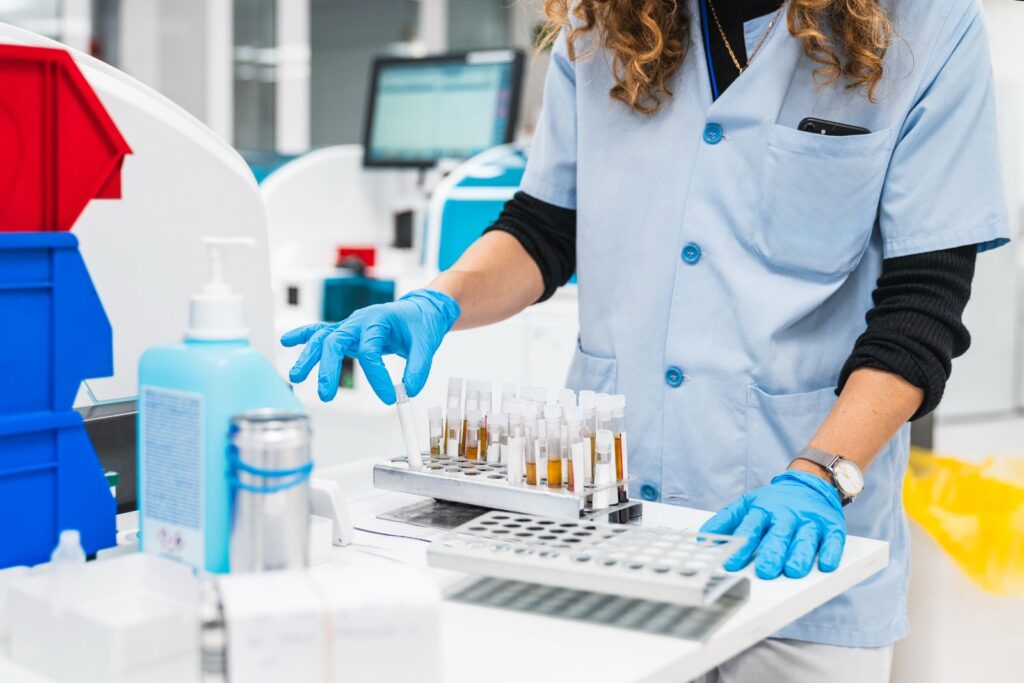

Many men in Glendale and across California start a health journey because they feel tired, lose muscle, or notice lower sex drive. Understanding how testosterone testing works helps you separate temporary issues from deeper hormone imbalance. This guide explains when to test, which labs to order, and how clinicians interpret results.
This article is written for men who suspect low testosterone and for clinicians educating patients about next steps. You will find practical checklists, example lab patterns, and clear action steps to take before and after testing.
Why test testosterone?
Testosterone testing answers two core questions: whether your symptoms correlate with low circulating testosterone and if the cause is testicular or pituitary. Testing avoids guesswork and points to targeted treatment or lifestyle changes.
Early testing can clarify whether fatigue, low libido, erectile dysfunction, or muscle loss are hormone related or due to other conditions like sleep apnea, depression, or thyroid disease.
Which tests to order
Not all testosterone testing is the same. A basic panel for suspected low testosterone often includes multiple hormones to give a complete picture.
- Total testosterone – the most common initial test; reported in ng/dL or nmol/L.
- Free testosterone or calculated free testosterone – measures the unbound, active fraction.
- Sex hormone binding globulin (SHBG) – high SHBG can lower free testosterone even when total looks normal.
- Luteinizing hormone (LH) and follicle-stimulating hormone (FSH) – help differentiate primary from secondary hypogonadism.
- Prolactin – elevated levels can indicate a pituitary problem.
- Optional: estradiol, TSH, fasting glucose, and lipid panel for broader health context.
When and how to get accurate results
Timing matters because testosterone follows a daily rhythm. For most men, levels peak in the morning.
- Schedule blood draw between 7:00 and 10:00 AM for the most consistent baseline.
- Avoid heavy exercise for 24-48 hours before testing. Strenuous activity can temporarily raise levels.
- Avoid alcohol the night before. Alcohol can suppress testosterone acutely.
- Some clinics recommend fasting if you also run metabolic tests. Confirm with your lab order.
Interpreting results: practical examples
Labs must be read with symptoms and other hormone values. Below are common patterns and what they suggest.
- Low total testosterone with high LH: suggests primary hypogonadism. The testes are not producing enough testosterone despite pituitary signal.
- Low total testosterone with low or normal LH: suggests secondary hypogonadism from pituitary or hypothalamic dysfunction.
- Normal total testosterone but low free testosterone and high SHBG: you may feel symptoms despite a normal total number. Calculated free testosterone clarifies this scenario.
- High prolactin with low testosterone: warrants pituitary imaging and referral to endocrinology.
Example values for context: many labs report total testosterone reference range as ~300-1000 ng/dL. Free testosterone percent often falls between 1 and 3 percent of total. Use your lab’s reference ranges when in doubt.
When to repeat tests and confirm diagnosis
Guidelines recommend confirming low testosterone on at least two separate morning measurements. One low result alone is not enough for a lifelong diagnosis.
Repeat tests are especially important when acute illness, recent steroid use, or major weight changes might temporarily alter hormone levels. If initial results are borderline, add SHBG, LH, and prolactin to refine interpretation.
Common pitfalls and how to avoid them
Patients and clinicians make predictable mistakes that can lead to misdiagnosis or unnecessary treatment.
- Testing in the afternoon. Avoid this unless monitoring therapy at a specific time of day.
- Relying on a single value without symptom correlation. Always consider clinical presentation.
- Missing SHBG. Without it, a normal total testosterone can mask low free testosterone.
- Not accounting for medications. Opioids, glucocorticoids, some antidepressants, and anabolic steroids can alter results.
Pre-test checklist for patients
Use this checklist before your blood draw to improve test accuracy and communication with your provider.
- Schedule blood draw between 7:00 and 10:00 AM.
- Hold acute testosterone supplements or topical gels for an interval your clinician recommends; do not stop prescribed TRT without guidance.
- Avoid heavy exercise and alcohol for 24-48 hours.
- Bring a list of medications and supplements, including anabolic steroids and over-the-counter products like DHEA.
- Ask your clinician to include SHBG, LH, FSH, and prolactin if symptoms suggest pathology.
Next steps if results are low
Low testosterone leads to a diagnostic and treatment pathway rather than an immediate prescription.
- Confirm low results with a repeat morning test and additional hormones.
- If primary hypogonadism is likely, consider testicular ultrasound and reproductive evaluation when fertility matters.
- If secondary causes are suspected, refer to endocrinology for pituitary imaging and further workup.
- Discuss lifestyle interventions: weight loss, sleep optimization, resistance training, and alcohol moderation can improve levels in many men.
How testing fits into a patient journey in Glendale
At clinics serving Glendale, testing often begins with a thorough symptom inventory and focused labs. From there, patients receive education on options: observation, lifestyle optimization, or medically supervised testosterone replacement therapy.
When TRT is considered, providers explain risks and benefits, prescribe monitoring plans, and set realistic expectations for changes in energy, libido, and body composition. Local resources such as sleep clinics, dietitians, and mental health services are valuable parts of care.
Practical takeaways
Testing testosterone is not a single blood draw. It is a process that includes timing, the right panel, symptom assessment, and follow-up. With structured testing you get answers that guide treatment decisions safely and effectively.
If you suspect low testosterone, start with a morning lab order that includes total testosterone plus SHBG and LH. Bring your symptoms list and medication history to your appointment. Repeat testing before starting any long-term therapy to ensure the diagnosis is accurate.
Frequently Asked Questions
How is testosterone tested?
Testosterone is measured with a blood draw, usually in the morning between 7:00 and 10:00 AM. Clinicians order total testosterone and often free testosterone, SHBG, LH, FSH, and prolactin for a complete assessment.
What is a normal testosterone level?
Normal ranges vary by lab, but many reference ranges for total testosterone fall around 300 to 1000 ng/dL. Interpret results with symptoms and additional hormones like SHBG to understand free testosterone.
When should I test my testosterone?
Test if you have persistent symptoms such as fatigue, low libido, erectile dysfunction, unexplained weight gain, or muscle loss. Schedule blood tests in the early morning for accurate baseline values.
Do I need to fast for a testosterone test?
Fasting is not strictly required for testosterone alone, but clinicians may ask you to fast if they also order metabolic labs like glucose and lipids. Follow your provider and lab instructions.
Can medications affect testosterone test results?
Yes. Opioids, glucocorticoids, some antidepressants, and exogenous androgens can change levels. Always provide a full medication and supplement list before testing.
How many times should testosterone be tested before diagnosis?
Most guidelines recommend at least two low morning measurements before confirming a diagnosis of low testosterone. Repeat testing helps avoid diagnosing temporary or situational drops in testosterone.
Disclaimer
This blog is for informational and educational purposes only and does not constitute medical advice, diagnosis, or treatment. The content provided is based on general health information and research available as of the publication date. Individual health conditions vary, and what works for one person may not be appropriate for another.
Always consult with a qualified healthcare provider before starting any new treatment, including testosterone replacement therapy (TRT), making changes to existing treatments, or if you have questions about your specific health condition. Never disregard professional medical advice or delay seeking it because of information you read on this blog.
If you are experiencing a medical emergency, call 911 or your local emergency services immediately. The information on this website does not create a doctor-patient relationship and should not be used as a substitute for professional medical advice, diagnosis, or treatment.