
Low testosterone is common in men over 40, and poor sleep is one of the most reversible drivers. Many men see fatigue, low libido, mood shifts, and difficulty building muscle, yet they overlook sleep as a primary factor. This post lays out an evidence-informed, practical plan to restore testosterone by prioritizing sleep, while also covering testing, nutrition, exercise, and when to consider medical treatment.
This guide is designed for men in Glendale and California who want a clear, actionable strategy. You will get step-by-step behavioral changes, specific lab tests and timing, safe supplement options, and red flags that mean you should see a clinician about Testosterone Replacement Therapy, or TRT.
Why sleep controls testosterone
Testosterone production follows a daily rhythm, with peak production during deep sleep. Shortened or fragmented sleep reduces nightly testosterone output and alters hormone-regulating signals from the brain. For instance, obstructive sleep apnea causes repeated oxygen dips that lower testosterone and raise inflammation.
Quality sleep supports growth hormone, insulin sensitivity, and muscle recovery, all of which interact with testosterone and body composition. Therefore, improving sleep often yields measurable hormone benefits without immediate medication.
Initial assessment: symptoms and testing
Start by documenting symptoms for 2-4 weeks. Track energy, morning erections, libido, mood, and training response. Also note sleep duration and quality using a sleep diary or wearable.
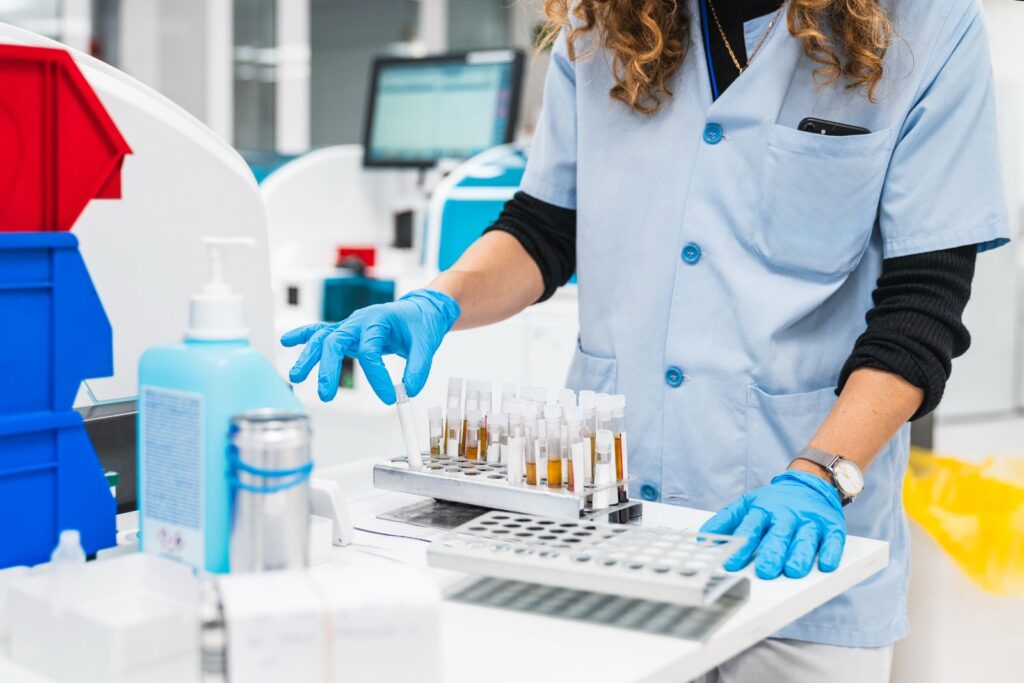
Order fasting morning labs between 7:00 and 10:00 AM on two occasions if possible. Tests to request:
- Total testosterone (7-10 AM fasting)
- Free testosterone or calculated free testosterone and SHBG
- LH and FSH to check pituitary signaling
- Estradiol in men with gynecomastia or high body fat
- Prolactin if libido loss is severe
- CBC, CMP, fasting glucose or A1c
- PSA and digital rectal exam as indicated for age
Consistently low morning total testosterone, commonly below 300 ng/dL on two separate tests plus symptoms, prompts further evaluation and discussion about treatment options with a provider.
Step-by-step 8-week sleep-first plan to boost testosterone
The goal is to recover consolidated deep sleep and improve sleep architecture. Follow this plan while continuing healthy nutrition and resistance training.
Weeks 1-2: Optimize sleep timing and environment
Set a consistent wake time and adjust bedtime so you get 7-9 hours nightly. Avoid long naps after 3:00 PM. Make the bedroom cool – 60-68 F is ideal for many men.
- Remove bright lights and screens 60-90 minutes before bed.
- Use blackout curtains and limit external noise with a white-noise machine if needed.
- Consider blue-light blocking glasses in the evening if screen use is unavoidable.
Weeks 3-4: Improve sleep quality biologically
Align meals and caffeine with sleep. Stop caffeine 6-8 hours before bedtime and avoid heavy meals within 2-3 hours of sleep. Reduce late-night alcohol; it fragments REM and deep sleep.
Target evening habits that support melatonin and deep sleep. Try a relaxing routine like reading or light stretching, and add breathwork for 10 minutes before bed.
Weeks 5-6: Add evidence-based supplements and screening
Short-term supplements that can aid sleep quality include low-dose melatonin (0.5-3 mg) for circadian re-entrainment, and magnesium glycinate 200-400 mg at night for muscle relaxation. Start one supplement at a time to assess response.
Screen for sleep apnea if you snore, feel excessively sleepy during the day, have high blood pressure, or a BMI over 30. Use validated tools like the STOP-Bang questionnaire and consult a sleep specialist if risk is moderate to high.
Weeks 7-8: Consolidate lifestyle and training
Build in resistance training 3 times per week using compound lifts – squats, deadlifts, presses – at moderate to high intensity. Strength training increases acute testosterone responses and improves body composition over time.
- Include 1 short high-intensity interval training session per week for metabolic health.
- Aim for protein intake in the range of 0.6-1.0 grams per pound of bodyweight daily, depending on goals.
- Focus on whole foods: lean protein, vegetables, healthy fats, and controlled carbohydrates around workouts.
Nutritional and supplement strategies that help
Vitamin D deficiency links to lower testosterone. Test 25-hydroxy vitamin D and supplement to achieve levels around 30-50 ng/mL if low. Typical dosing ranges from 1,000-5,000 IU daily depending on baseline, but follow lab guidance.
Zinc and magnesium support reproductive health when deficient; zinc supplementation of 15-30 mg daily and magnesium glycinate 200-400 mg at night can help in deficient men. Fish oil 1-2 grams daily supports inflammation control and overall metabolic health.
Avoid androgenic herbal supplements without medical oversight. They can alter labs and interact with other medications.
When to consider medical evaluation and TRT
If lifestyle changes and sleep restoration do not raise morning testosterone into the normal range and symptoms persist, consult a clinician experienced in men’s hormone health. A typical pathway includes repeat testing, evaluation for reversible causes like pituitary disease or medications, and then discussion of treatment risks and benefits.
TRT is prescription therapy and requires baseline labs and ongoing monitoring. Key safety checks include hematocrit, PSA, liver function, and regular symptom review. Men with untreated sleep apnea should address that condition before starting TRT because untreated apnea may worsen on therapy.
Local resources and when to seek care
For men in Glendale and surrounding areas, look for clinics that offer comprehensive hormone testing, sleep medicine referrals, and integrated plans combining lifestyle and medical management. TRTGlendale.com can help you find evidence-informed providers who perform proper testing and monitoring.
Seek prompt care if you experience rapid weight gain, new breast tenderness, significant mood changes, or urinary symptoms. These signs may indicate the need for urgent evaluation.
Frequently Asked Questions
How does poor sleep lower testosterone?
Poor sleep reduces nightly testosterone production because most testosterone release occurs during deep sleep. Fragmented sleep and sleep apnea disrupt this peak production and increase inflammation that interferes with hormone signaling.
How long before I see testosterone improvements after fixing sleep?
Some men notice better energy and libido in 2-8 weeks after improving sleep, while measurable increases in morning testosterone can appear within 6-12 weeks. Individual response varies based on age, baseline levels, and other health factors.
Can supplements raise testosterone if my sleep is poor?
Supplements like vitamin D, zinc, and magnesium may help when a deficiency exists, but they are unlikely to overcome the negative effects of chronically poor sleep alone. Address sleep first, then use targeted supplements based on labs.
When should I consider TRT instead of lifestyle changes?
Consider TRT when you have consistent symptoms and reproducibly low morning total testosterone on at least two tests, and after reversible causes have been addressed. A clinician should review risks, benefits, and monitoring before starting therapy.
How is low testosterone diagnosed?
Diagnosis requires compatible symptoms plus low morning total testosterone on two separate occasions. Additional tests like free testosterone, LH, SHBG, and imaging or pituitary labs may be needed when results suggest secondary causes.
Will treating sleep apnea improve testosterone?
Yes, treating obstructive sleep apnea with appropriate therapy such as CPAP often improves sleep architecture and can raise testosterone levels and energy over time. Addressing sleep apnea is a priority before starting TRT.
Conclusion
For men over 40, improving sleep is one of the highest-impact, low-risk steps to restore testosterone and overall vitality. Follow the 8-week plan while completing targeted testing and working with a clinician when labs remain low or symptoms persist. Combining sleep optimization, resistance training, nutritional support, and careful medical oversight offers the best path to safer, sustainable hormone health.
Disclaimer
This blog is for informational and educational purposes only and does not constitute medical advice, diagnosis, or treatment. The content provided is based on general health information and research available as of the publication date. Individual health conditions vary, and what works for one person may not be appropriate for another.
Always consult with a qualified healthcare provider before starting any new treatment, including testosterone replacement therapy (TRT), making changes to existing treatments, or if you have questions about your specific health condition. Never disregard professional medical advice or delay seeking it because of information you read on this blog.
If you are experiencing a medical emergency, call 911 or your local emergency services immediately. The information on this website does not create a doctor-patient relationship and should not be used as a substitute for professional medical advice, diagnosis, or treatment.