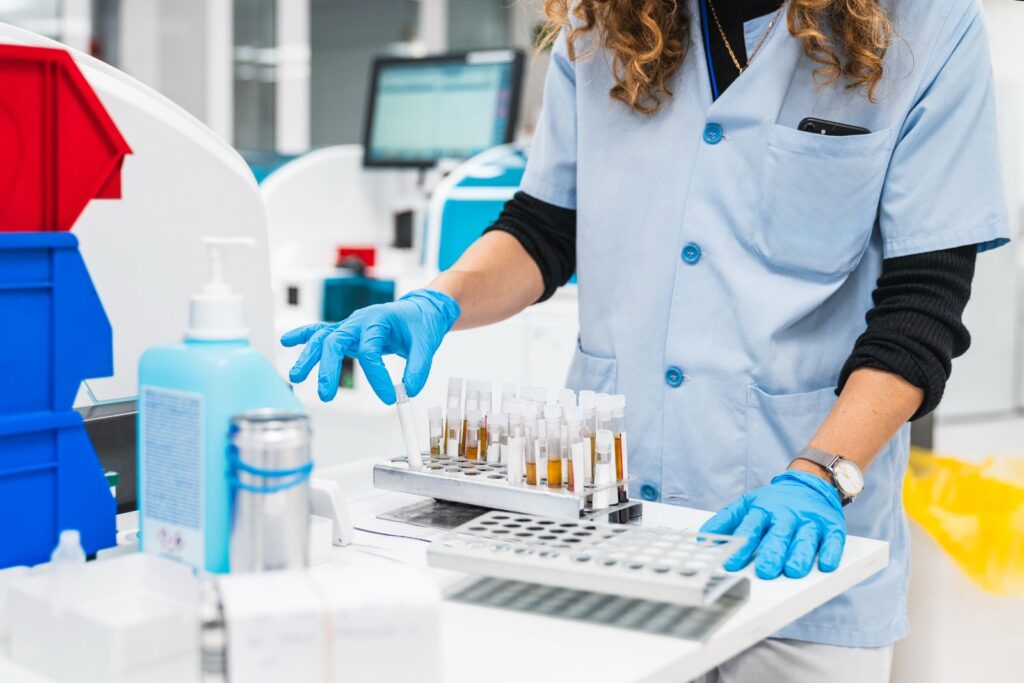
Many men in Glendale consider testosterone replacement therapy as a way to restore energy, libido, and body composition. Before any clinician recommends TRT, accurate hormone testing is essential to confirm low testosterone and to guide safe treatment planning.
This guide explains exactly how to prepare for testosterone testing before starting TRT. You will get a clear checklist, timing strategies, which labs to order, and examples of medication and lifestyle changes that influence results.
Why proper preparation matters
Testosterone levels fluctuate by time of day, recent activity, medications, and illness. A poorly timed or incomplete test can give a false normal or low value, leading to misdiagnosis or unnecessary treatment.
Accurate baseline labs help your clinician determine whether TRT is appropriate and which dose or formulation to select. Baseline values also provide a reference for safety monitoring after you begin therapy.
Step-by-step prep checklist
Follow this simple checklist in the 1 to 2 weeks leading up to testing to reduce lab variability and get reliable results.
- Schedule morning blood draw. Aim for blood taken between 7:00 and 10:00 AM when testosterone peaks in most men.
- Fast if ordered. Some clinics request a fasting metabolic panel; confirm with your provider and fast 8 to 12 hours if required.
- Avoid heavy exercise for 24 to 48 hours. Intense resistance training or prolonged endurance work can transiently raise testosterone and cortisol.
- Limit alcohol and recreational drugs for 48 hours. Alcohol can suppress morning testosterone.
- Get adequate sleep the night before. Poor sleep reduces morning testosterone and can confound interpretation.
Medications, supplements, and exogenous hormones
Tell your clinician about all prescriptions, over-the-counter drugs, and supplements. Many substances change testosterone, sex-hormone binding globulin, or related markers.
Examples to disclose include opioids, glucocorticoids, finasteride, spironolactone, and anabolic steroids. If you have been using testosterone products already, discuss a washout plan with your clinician rather than stopping abruptly on your own.
Guidance if you are already on testosterone
If you have recently used topical testosterone, gels and patches often require at least 7 to 14 days off for labs to reflect native levels. Injectable testosterone products can take longer to clear.
Clinicians typically recommend individualized timelines. For short-acting topical therapies a 1 to 2 week washout may be enough. For long-acting injections some men need several weeks to months to approach baseline. Always coordinate any pause with medical oversight to avoid withdrawal or symptom recurrence.
Which labs to order before TRT
A comprehensive baseline panel goes beyond total testosterone. Request a set of tests that allow safe decision making and future monitoring.
- Total testosterone drawn in the morning. This is the primary screening test.
- Free testosterone or bioavailable testosterone to account for variation in SHBG levels.
- Sex hormone binding globulin (SHBG) to help interpret free T.
- Luteinizing hormone (LH) and follicle stimulating hormone (FSH) to evaluate pituitary function and differentiate primary from secondary hypogonadism.
- Estradiol because estrogens can influence symptoms and treatment plan.
- Prolactin to screen for prolactinomas when clinically indicated.
- Complete blood count (CBC) baseline hemoglobin and hematocrit before TRT.
- Prostate specific antigen (PSA) and digital rectal exam if indicated, especially in men over 40.
- Metabolic panel and lipid panel to assess baseline cardiovascular and liver health.
- Vitamin D and thyroid tests when symptomatic or if your clinician suspects other contributing conditions.
Interpreting the results
Most guidelines consider a morning total testosterone consistently below approximately 300 ng/dL as low, but interpretation should be individualized. Symptoms matter as much as numbers.
If a single test is borderline, clinicians often repeat morning testing and review free testosterone and LH to confirm the diagnosis. Low LH suggests secondary hypogonadism that may need a different treatment approach than primary testicular failure.
Common scenarios and example plans
Scenario 1: A 45-year-old man with fatigue and low libido has a single morning total testosterone of 280 ng/dL. The clinician orders a repeat morning test with free testosterone, SHBG, LH, and a CBC. If repeat tests confirm low values and symptoms persist, a discussion about TRT options follows.
Scenario 2: A 60-year-old man with obesity and type 2 diabetes has borderline testosterone. The clinician emphasizes lifestyle changes first, repeats testing after 3 months of weight loss and exercise, and reevaluates labs before starting any hormonal therapy.
Where to get tested in Glendale
Many Glendale patients use national lab chains and local hospital systems for reliable morning draws. When possible, ask your clinician to schedule a morning appointment and coordinate fasting or testing requirements.
For men pursuing TRT through specialized clinics, the clinic team often sends orders directly to a partner lab and explains exact preparation steps so samples are collected under optimal conditions.
What to expect after testing
If labs confirm low testosterone and symptoms match, your clinician will review treatment options, risks, and benefits. Expect a monitoring schedule that commonly includes follow-up labs at 3 months, 6 months, and annually thereafter.
Monitoring focuses on symptom response, testosterone levels, hematocrit, liver function, and prostate health. If any safety concerns arise, your clinician will adjust dose or therapy method.
Actionable takeaways
- Book a morning blood draw between 7:00 and 10:00 AM.
- Follow the 48-hour rule: avoid heavy exercise, alcohol, and recreational drugs.
- Provide a full medication and supplement list to your clinician.
- Request a comprehensive baseline panel: total and free testosterone, SHBG, LH, FSH, estradiol, CBC, PSA, and metabolic labs.
- Coordinate any washout of exogenous testosterone with your clinician rather than stopping on your own.
Frequently Asked Questions
When is the best time of day to test testosterone?
Testosterone should be measured in the morning, ideally between 7:00 and 10:00 AM, because levels are highest then. Morning testing reduces variability and improves diagnostic accuracy.
Do I need to fast before testosterone testing?
Fasting is not always required for testosterone itself, but your clinician may request fasting for metabolic or lipid panels. Confirm instructions before your appointment and fast 8 to 12 hours if requested.
What medications affect testosterone test results?
Several medications can lower testosterone, including chronic opioids, glucocorticoids, and certain antifungals. Also disclose anabolic steroid or topical testosterone use because these require a clinician-directed washout for accurate baseline testing.
How many tests confirm low testosterone?
Most guidelines recommend at least two separate morning total testosterone measurements below the reference threshold, paired with symptoms, before diagnosing hypogonadism. Additional tests like free testosterone and LH help define the cause.
How long after stopping testosterone therapy can I get accurate baseline labs?
The washout period depends on the formulation. Topical products may clear in 1 to 2 weeks, while long-acting injectables can require several weeks to months. Always follow a clinician plan for safe discontinuation and testing timing.
Which labs are essential before starting TRT?
Essential baseline labs include morning total and free testosterone, SHBG, LH, CBC with hematocrit, PSA, and metabolic tests. These tests guide treatment decisions and set safety baselines for monitoring.
Conclusion
Preparing properly for testosterone testing before TRT improves diagnostic accuracy and helps ensure safe, effective care. Use the checklist and lab panel above, coordinate medication changes with your clinician, and prioritize a morning draw. If you live in Glendale, speak with a clinic experienced in men’s hormone health to get tailored guidance and lab orders that match your situation.
Disclaimer
This blog is for informational and educational purposes only and does not constitute medical advice, diagnosis, or treatment. The content provided is based on general health information and research available as of the publication date. Individual health conditions vary, and what works for one person may not be appropriate for another.
Always consult with a qualified healthcare provider before starting any new treatment, including testosterone replacement therapy (TRT), making changes to existing treatments, or if you have questions about your specific health condition. Never disregard professional medical advice or delay seeking it because of information you read on this blog.
If you are experiencing a medical emergency, call 911 or your local emergency services immediately. The information on this website does not create a doctor-patient relationship and should not be used as a substitute for professional medical advice, diagnosis, or treatment.