
Many men experience fatigue, low libido, muscle loss, or mood changes and want to avoid immediate reliance on testosterone replacement therapy. This guide explains step-by-step, evidence-informed strategies to improve low testosterone symptoms using testing, lifestyle, nutrition, exercise, and targeted supplements.
The plan below is practical and location-aware for men in Glendale and Southern California who want to optimize hormones before considering medical treatments. You will find specific tests to request, daily habits to change, and a 12-week action plan with measurable milestones.
Start with proper testing and medical review
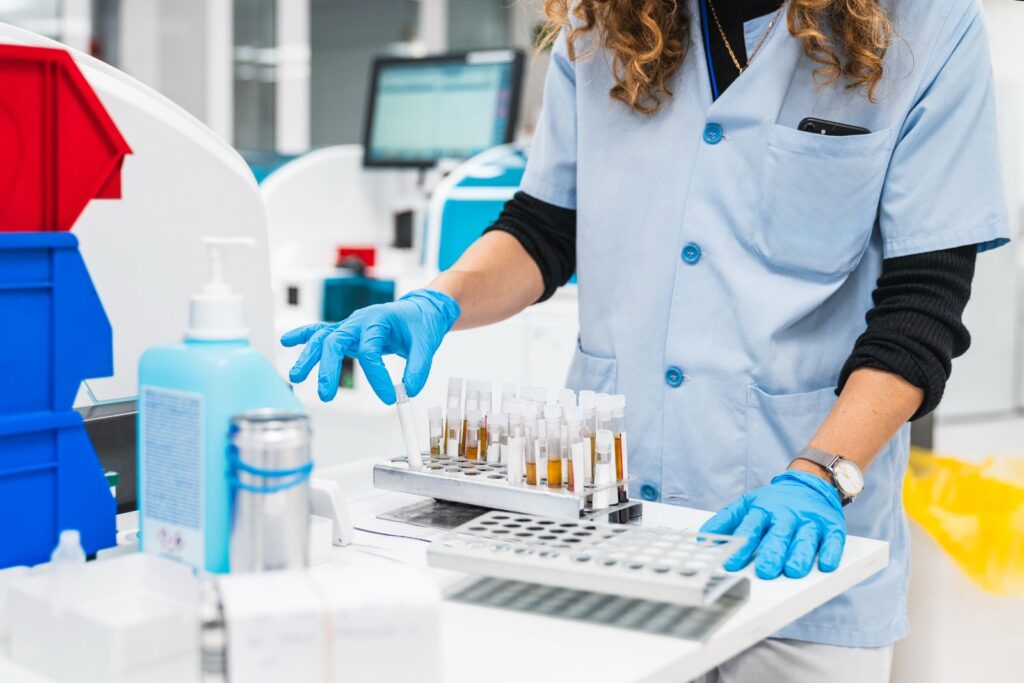
Before changing anything, get a proper hormonal workup. Ask your provider for total testosterone, free testosterone, SHBG, LH, FSH, prolactin, and TSH. A fasting morning draw, ideally before 10:00 AM, gives the most reliable result.
If initial tests show low values, repeat them on a separate morning and check for reversible causes such as untreated sleep apnea, high alcohol use, or certain medications. Also request basic metabolic labs: fasting glucose, lipid panel, and liver function tests.
Optimize sleep and circadian health
Sleep is one of the fastest levers for improving testosterone. Aim for 7-9 hours nightly with a consistent bedtime within a 30- to 60-minute window.
- Keep bedroom dark and cool – 60-68 F is optimal.
- Limit blue-light exposure 60-90 minutes before bed; use night mode on devices.
- If you snore or feel unrefreshed, get evaluated for sleep apnea. Treating sleep apnea can raise testosterone without medications.
Exercise strategy: strength first, cardio second
Resistance training is a proven stimulus for testosterone and muscle gain. Focus on compound lifts and progressive overload.
- Train 3 times per week with full-body sessions or upper-lower splits.
- Use compound movements: squats, deadlifts, bench press, rows, overhead press.
- Perform 3-5 sets of 6-12 reps per exercise with gradual weight increases.
Include 1-2 moderate-intensity cardio sessions per week for cardiovascular health. Avoid excessive endurance training if your goal is to raise testosterone, since very high-volume cardio can lower hormones.
Nutrition: prioritize protein, quality calories, and timing
Diet profoundly affects hormones. For men trying to increase testosterone naturally, focus on body-composition goals: losing fat if overweight, or preserving calories while gaining muscle.
- Protein: aim for 1.2-1.6 g per kg of body weight daily to support muscle and recovery.
- Calories: a 5-10 percent calorie deficit can improve testosterone in overweight men. In lean men, a slight calorie surplus with resistance training supports muscle and hormonal health.
- Fats: include healthy fats – olive oil, avocados, nuts – and do not drop total fat below 20 percent of calories.
Timing matters moderately: prioritize a protein-rich meal within 2 hours of workouts and spread protein evenly across 3-4 meals to maximize muscle protein synthesis.
Targeted supplements with evidence
Supplements can help when deficiencies exist. They are not a replacement for diet and exercise.
- Vitamin D: 2,000-4,000 IU daily if low. Check levels and correct deficiency under medical guidance.
- Zinc: 15-30 mg daily only if deficient or low dietary intake from meat and shellfish.
- Magnesium: 200-400 mg at night can improve sleep and recovery.
- Creatine monohydrate: 3-5 g daily supports strength, muscle, and may help energy levels.
- Ashwagandha: 300-600 mg daily shows modest benefits for stress and sexual function in some studies.
Always discuss supplements with your clinician, especially if you have kidney disease or take multiple medications. Avoid proprietary ‘testosterone boosters’ with unproven ingredients or stimulants.
Address metabolic health and weight
Excess body fat, especially visceral fat, lowers testosterone. A realistic goal is 5-10 percent body-weight loss over 8-16 weeks if overweight. Even modest weight loss often yields significant hormonal improvements.
Improve insulin sensitivity through resistance training, reduced added sugars, and increased fiber. Consider working with a registered dietitian for personalized calorie targets and meal plans.
Reduce substances and medications that suppress testosterone
Certain drugs and habits lower testosterone. Common culprits include chronic opioid use, excessive alcohol, some antidepressants, and anabolic steroid abuse. Discuss alternatives with your prescribing clinician.
Limit alcohol to within recommended limits, and stop smoking. Reducing alcohol and quitting tobacco often improves sleep and testosterone within weeks to months.
Stress management and mental health
Chronic stress elevates cortisol and can suppress testosterone. Implement daily stress reduction practices.
- Mindfulness or breathing practice for 10 minutes per day.
- Structured leisure and social time – social connection supports hormonal balance.
- Therapy or counseling if anxiety or depression is present; treating mood disorders can indirectly improve libido and energy.
Medication alternatives and when to see a specialist
If lifestyle measures fail after 12 weeks and symptoms remain moderate to severe, consult an endocrinologist or urologist. Some alternatives to standard TRT include clomiphene citrate or human chorionic gonadotropin when appropriate, but these require specialist management.
Do not start prescription medications without baseline labs and informed consent about benefits and risks. In Glendale, seek clinics with experience in male hormone optimization and follow-up testing.
12-week plan with milestones
Week 0: Baseline labs, sleep audit, and a starting body composition or weight measurement. Begin resistance training 3x week and adjust diet for target calorie goal.
Weeks 1-4: Focus on consistent sleep, training form, and daily protein targets. Expect improved energy and sleep quality in 2-4 weeks if habits are consistent.
Weeks 5-8: Increase training intensity with progressive overload, monitor weight or body-fat trends, and reassess supplements based on labs. Sexual function and strength gains often appear by week 6-8.
Weeks 9-12: Recheck testosterone and metabolic labs. If values rise and symptoms improve, continue the plan. If no meaningful change, consult a specialist to discuss advanced options.
Real-world example
Case: 38-year-old male in Glendale with fatigue, low libido, and BMI 31. Baseline labs showed low-normal total testosterone and vitamin D deficiency. He started a 12-week plan: 3 weekly resistance sessions, 1,500-2,000 calorie deficit, vitamin D 4,000 IU, and 3 g creatine daily.
At 12 weeks he lost 8 kg, reported improved energy and libido, and repeat labs showed a 15-20 percent increase in free testosterone. He avoided TRT and continued maintenance habits with a plan to re-evaluate in 6 months.
Frequently Asked Questions
Can I raise low testosterone naturally without medications?
Yes, many men see meaningful improvements from lifestyle changes such as better sleep, resistance training, weight loss, and correcting nutrient deficiencies. The degree of improvement depends on the underlying cause and how consistent you are with the interventions.
Which lab tests should I request if I suspect low testosterone?
Ask for total testosterone, free testosterone or calculated free testosterone, SHBG, LH, FSH, prolactin, and TSH. Draw samples in the morning and repeat abnormal results on a separate day to confirm.
How long before I notice symptom improvement with lifestyle changes?
Some changes like sleep and mood can improve in 2-4 weeks. Strength and body-composition changes usually take 6-12 weeks. Hormonal lab shifts are often measurable at 8-12 weeks with consistent intervention.
Are supplements like vitamin D and zinc effective for low testosterone?
Supplements help when you have a deficiency. Vitamin D and zinc can support testosterone recovery if levels are low, but they do not replace lifestyle changes or address all causes of low testosterone.
When should I consider seeing a specialist or starting TRT?
See a specialist if symptoms persist after 12 weeks of consistent lifestyle changes, if testosterone levels are clearly low on repeated tests, or if underlying conditions such as pituitary disease are suspected. A specialist can discuss medical options including TRT and alternatives.
Can losing weight improve my testosterone levels?
Yes, losing 5-10 percent of body weight often leads to measurable testosterone improvements in overweight men. Combine weight loss with resistance training to preserve muscle and maximize hormonal benefits.
Improving low testosterone without TRT is a realistic goal for many men, particularly when lifestyle factors and nutrient deficiencies are the main drivers. Use the testing and 12-week plan above as a structured starting point, and work with local Glendale providers for safe monitoring and follow-up. If symptoms are severe or labs remain low after concerted efforts, seek specialist care to discuss medical options.
Disclaimer
This blog is for informational and educational purposes only and does not constitute medical advice, diagnosis, or treatment. The content provided is based on general health information and research available as of the publication date. Individual health conditions vary, and what works for one person may not be appropriate for another.
Always consult with a qualified healthcare provider before starting any new treatment, including testosterone replacement therapy (TRT), making changes to existing treatments, or if you have questions about your specific health condition. Never disregard professional medical advice or delay seeking it because of information you read on this blog.
If you are experiencing a medical emergency, call 911 or your local emergency services immediately. The information on this website does not create a doctor-patient relationship and should not be used as a substitute for professional medical advice, diagnosis, or treatment.