
Many men over 40 experience changes that can be mistaken for normal aging: lower energy, less interest in sex, and difficulty keeping weight off. These signs can also indicate low testosterone, a treatable hormone imbalance that affects mood, body composition, and sexual health.
This guide explains how to recognize low testosterone in real-world situations, what tests to request, and practical steps to take before and after a clinic visit. It focuses on evidence-informed diagnostics, lifestyle interventions, and what to expect if you pursue Testosterone Replacement Therapy (TRT).
What low testosterone commonly looks like
Symptoms vary by person, but several clusters point to hormone-driven changes. Pay attention to persistent fatigue, reduced libido, erectile dysfunction, muscle loss, increased body fat, and mood shifts such as irritability or brain fog.
Example scenario: a 48-year-old man who reports chronic tiredness, needs afternoon naps, has lost 10 pounds of muscle despite similar workouts, and notices his sex drive has dropped. When symptoms cluster like this, hormonal evaluation becomes reasonable.
A practical symptom checklist
Use the checklist below to track symptom pattern and severity. Bring it to your appointment to make the visit efficient and objective.
- Energy: persistent low energy for 3 months or more
- Sexual function: decreased libido or erectile difficulty
- Body composition: unexplained fat gain, especially around the midsection
- Strength: loss of muscle mass or performance despite training
- Mood and cognition: low motivation, lower concentration, increased irritability
- Sleep: changes in sleep quality or new onset sleep apnea
How doctors diagnose low testosterone
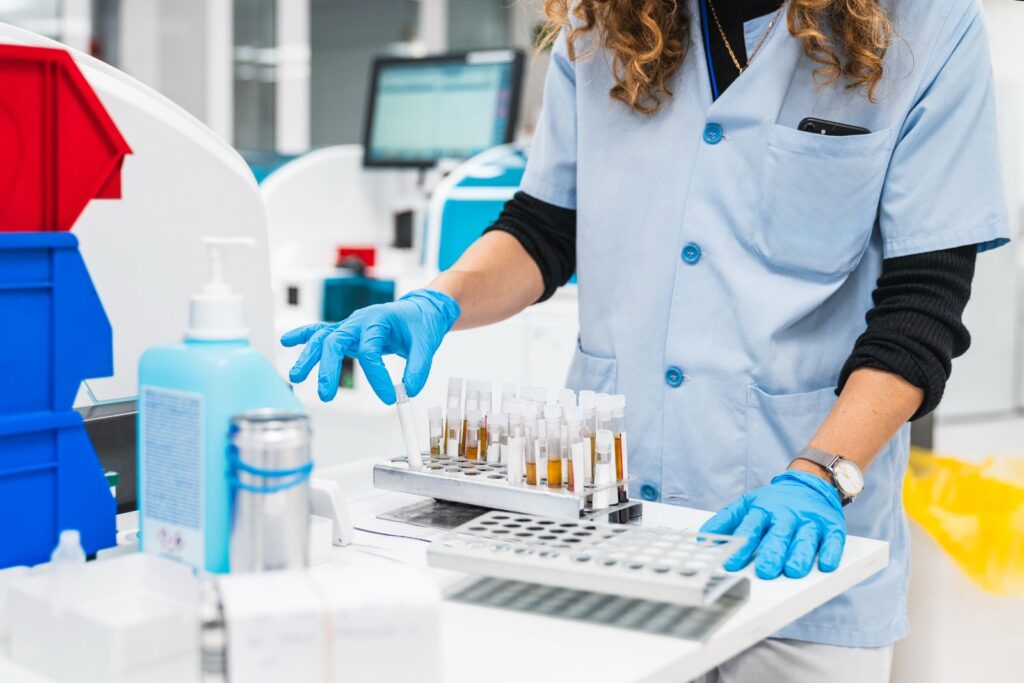
Diagnosis combines symptoms with laboratory evidence. The most important initial test is a fasting, morning total testosterone level drawn before 10 am on two separate days. Labs must be interpreted in context of symptoms and age.
Common additional labs include free testosterone or calculated free testosterone, sex hormone binding globulin (SHBG), luteinizing hormone (LH), follicle-stimulating hormone (FSH), prolactin, estradiol, complete metabolic panel, fasting glucose, lipid profile, and a baseline PSA for men older than 40 when appropriate.
Key laboratory thresholds and timing
Most guidelines consider total testosterone under 300 ng/dL as low for adult men, though clinical judgment matters. Free testosterone can be low even when total levels sit in the low-normal range, especially with altered SHBG.
Always repeat a low morning total testosterone on a separate day. Transient illness, recent steroid use, or severe stress can suppress levels temporarily, so repeat testing prevents misdiagnosis.
Medications and conditions that mimic or cause low testosterone
Several drugs and medical conditions reduce testosterone. Opioids, some antidepressants, chronic corticosteroids, and androgen-deprivation therapies are common culprits. Chronic illnesses such as type 2 diabetes, obesity, metabolic syndrome, liver disease, and pituitary disorders can also lower testosterone synthesis or action.
Addressing reversible causes often improves symptoms without hormonal therapy. Your clinician should review medication lists and medical history before recommending TRT.
First-line lifestyle interventions you can start today
Before starting hormones, many men benefit from targeted lifestyle changes that raise testosterone or improve symptoms. These changes are also necessary when on TRT to maximize benefit and safety.
- Optimize sleep: aim for 7-9 hours and treat suspected sleep apnea. Poor sleep reduces morning testosterone.
- Resistance training: 2-4 sessions per week focusing on compound movements raises muscle mass and testosterone.
- Weight management: losing 7-10 percent body weight can significantly improve testosterone in overweight men.
- Nutrition: adequate protein, healthy fats, and vitamin D if deficient. Consider 1000-2000 IU vitamin D daily if low.
- Limit alcohol and avoid opioids: both lower testosterone with regular use.
When to consider Testosterone Replacement Therapy
TRT is reasonable when symptoms correlate with confirmed low testosterone on repeat testing, after reversible causes are addressed, and after informed discussion of benefits and risks. The primary benefits include improved energy, libido, and body composition when therapy is well-managed.
Important safety considerations include potential effects on fertility, red blood cell production, and prostate health. Men wishing to preserve or restore fertility should discuss alternative strategies with a specialist before starting TRT.
Monitoring while on TRT
Monitoring reduces risk and optimizes outcomes. Typical schedule includes a baseline evaluation, then checks at 3 months, 6 months, and annually. Tests to repeat include total testosterone, hematocrit or CBC, PSA, liver enzymes if indicated, and symptom assessment.
Hematocrit should remain below 54 percent in most protocols. If hematocrit rises excessively, dose adjustment or temporary cessation may be necessary.
Choosing a clinician or clinic
Look for an experienced provider who specializes in men’s health or endocrinology and who uses evidence-based protocols. A good clinician will order appropriate labs, review general health and fertility goals, and explain risks and monitoring.
At a local level, ask if the clinic performs baseline metabolic and prostate screening and whether they coordinate care with primary care or urology when needed. Transparent pricing and clear follow-up plans are also important.
Practical next steps for patients in Glendale
If you suspect low testosterone, take these steps to prepare for your first visit. First, keep a symptom diary for 4-8 weeks listing energy, sexual function, and sleep quality. Second, compile a medication list including over-the-counter supplements and past anabolic steroid use.
Third, schedule morning labwork fasting when possible, and ask for total and free testosterone, SHBG, LH, FSH, prolactin, fasting glucose, and lipid panel. Bring your lab results to the appointment so the clinician can compare trends and recommend targeted therapy or lifestyle changes.
Case example and expected timeline
Case: a 52-year-old man with 6 months of low energy and low libido has a morning total testosterone of 260 ng/dL on two tests and elevated BMI of 33. After 12 weeks of structured resistance training, caloric restriction, and vitamin D repletion, his symptoms improved modestly and testosterone rose to 290 ng/dL. After informed consent, he started TRT, and at 3 months he reported restored libido and improved workout recovery. Hematocrit and PSA remained stable with routine monitoring.
This example shows that lifestyle steps are first-line, but TRT can be a safe, effective option when used properly and monitored.
Frequently Asked Questions
What are common symptoms of low testosterone?
Common symptoms include persistent fatigue, decreased libido, erectile dysfunction, loss of muscle mass, increased body fat, mood changes, and reduced concentration. Symptoms usually develop gradually and vary in severity by individual.
How is low testosterone diagnosed?
Diagnosis requires symptoms plus laboratory confirmation. Clinicians usually order two morning, fasting total testosterone tests on separate days and may measure free testosterone, SHBG, LH, FSH, and prolactin to determine cause.
Can TRT affect fertility?
Yes. Testosterone replacement can suppress sperm production and reduce fertility because it lowers LH and FSH. Men who want to preserve fertility should discuss alternatives or sperm banking before starting TRT.
How long until I notice benefits from TRT?
Some men notice improved libido and energy within 3-6 weeks, while body composition and strength changes often appear by 12 weeks. Full benefits can take 3-6 months and require appropriate monitoring and lifestyle support.
Are there natural ways to boost testosterone?
Yes. Effective strategies include improving sleep quality, losing excess weight, regular resistance training, managing stress, limiting alcohol, and correcting vitamin D deficiency. These steps help many men and should accompany any medical plan.
What tests should I ask my doctor to run?
Ask for morning total testosterone (repeat if low), free testosterone or calculated free testosterone, SHBG, LH, FSH, prolactin, fasting glucose, lipid panel, and a baseline PSA when appropriate. These tests clarify cause and guide safe treatment.
Conclusion
Recognizing low testosterone requires attention to symptom patterns, targeted lab testing, and a review of reversible causes. Begin with lifestyle measures, obtain repeat morning labs, and consult an experienced clinician if symptoms persist with confirmed low values.
With proper diagnosis, individualized treatment, and careful monitoring, many men regain energy, strength, and sexual health. If you live in Glendale, prepare a symptom diary and morning lab results before visiting a men’s health clinic to ensure an efficient, evidence-based plan.
Disclaimer
This blog is for informational and educational purposes only and does not constitute medical advice, diagnosis, or treatment. The content provided is based on general health information and research available as of the publication date. Individual health conditions vary, and what works for one person may not be appropriate for another.
Always consult with a qualified healthcare provider before starting any new treatment, including testosterone replacement therapy (TRT), making changes to existing treatments, or if you have questions about your specific health condition. Never disregard professional medical advice or delay seeking it because of information you read on this blog.
If you are experiencing a medical emergency, call 911 or your local emergency services immediately. The information on this website does not create a doctor-patient relationship and should not be used as a substitute for professional medical advice, diagnosis, or treatment.