If you are considering testosterone replacement therapy, taking steps to improve low testosterone before starting TRT can sharpen your results and clarify whether TRT is necessary. This guide explains practical, evidence-informed strategies to raise testosterone naturally in the weeks leading up to a clinical evaluation.
We cover laboratory testing, diet and supplement choices, targeted exercise, sleep and stress tactics, and a sample 8-week plan you can implement in Glendale or anywhere. The goal is to give you actionable steps that improve energy, libido, mood, and body composition while you prepare to consult a clinician.
Why try to boost testosterone before TRT?
Optimizing lifestyle and reversible factors can reduce the need for long-term medication. Providers often prefer to rule out correctable causes of low testosterone first. Improving sleep, weight, and activity can increase endogenous testosterone and make treatment decisions safer and clearer.
Practical benefit: you may notice better focus and libido within weeks, and blood tests taken after optimization give a truer baseline for informed TRT decisions.
Get the right tests and interpret results
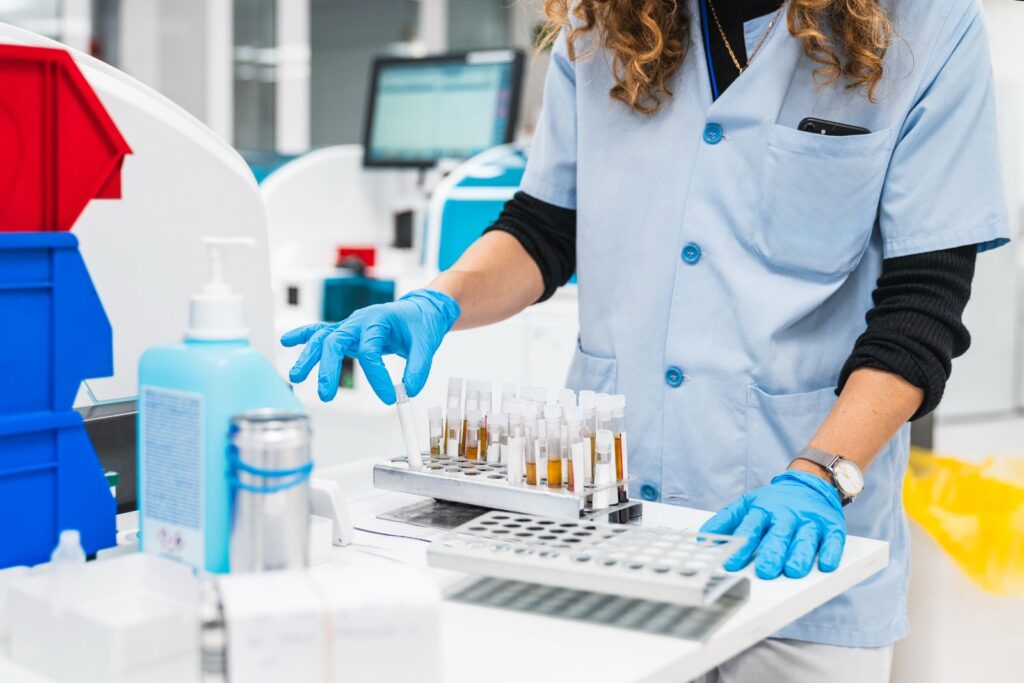
Before making changes or starting supplements, get a focused hormone panel. The correct tests direct treatment and avoid guesswork.
- Order: total testosterone, free testosterone or calculated free testosterone, sex hormone binding globulin – SHBG, luteinizing hormone – LH, follicle stimulating hormone – FSH, and morning fasting labs for at least two samples if possible.
- Timing: draw blood between 7 and 10 a.m. when testosterone peaks. If you are on shift work, tell your clinician so labs are timed appropriately.
- Interpretation: many labs use adult male reference ranges around 300 to 1000 ng/dL for total testosterone. Values under 300 ng/dL are commonly considered low, but symptoms and free testosterone matter.
Nutrition strategies that support testosterone
Small, targeted nutrition changes can move the needle. Focus on macronutrient balance and nutrient-dense foods rather than extreme dieting.
- Protein: aim for 0.7-1.0 grams per pound of bodyweight to support muscle and hormone production.
- Fats: include healthy saturated and monounsaturated fats from sources like dairy, olive oil, and fatty fish; dietary fat helps testosterone synthesis.
- Carbohydrates: use carbs around workouts to sustain training intensity; very low-carb diets can lower testosterone for some men.
- Micronutrients: ensure adequate vitamin D, zinc, and magnesium. Test vitamin D levels and supplement to reach serum 25-hydroxyvitamin D around 30-50 ng/mL if low.
Exercise plan to raise testosterone
Exercise is one of the fastest ways to increase testosterone naturally. The right mix of resistance and high-intensity work is most effective.
- Resistance training: full-body strength workouts 3 times per week with compound lifts like squats, deadlifts, and presses. Use 3-5 sets of 4-8 reps for heavy strength phases and 8-12 reps for hypertrophy phases.
- High-intensity interval training: add one or two 10-20 minute HIIT sessions per week to improve metabolic health without compromising testosterone.
- Volume and recovery: avoid excessive cardio and overtraining. Quality sessions with adequate recovery support hormonal balance.
Sleep, stress, and daily routines
Poor sleep and chronic stress blunt testosterone production quickly. Prioritize sleep hygiene and stress reduction to amplify other interventions.
- Sleep: target 7-9 hours nightly. Keep a consistent sleep-wake time, remove screens one hour before bed, and optimize bedroom temperature and darkness.
- Stress: practice daily stress reduction like 10-20 minutes of breathing, yoga, or brief walks. Chronic cortisol elevation suppresses testosterone and interferes with recovery.
Supplements and medications to consider
Some supplements have consistent evidence while others are speculative. Use supplements to fill gaps, not as a substitute for lifestyle changes.
- Vitamin D: supplement if deficient; dose based on labs and clinician guidance.
- Zinc and magnesium: helpful when deficient; avoid megadoses without testing.
- Creatine: supports strength and lean mass and is safe at 3-5 grams daily.
- Ashwagandha: some trials show modest increases in testosterone and reduced stress in stressed men.
Avoid androgenic supplements, unregulated prohormones, or testosterone-boosting products without third-party testing. These can interfere with accurate hormone testing and may cause side effects.
Weight loss and body composition
Excess body fat, especially visceral fat, reduces testosterone through inflammatory and hormonal pathways. Aiming for a sustainable 5-10 percent bodyweight reduction can increase total and free testosterone in many men.
Use a modest caloric deficit of 300-500 calories per day combined with resistance training to preserve muscle. Rapid crash diets can lower testosterone, so prioritize steady progress.
Habits that lower testosterone to avoid
Certain behaviors have a clear negative impact on testosterone and should be minimized while preparing for treatment.
- Excessive alcohol: especially heavy daily drinking.
- Chronic opioid use and some antidepressants: discuss alternatives with your prescriber if appropriate.
- Sleep deprivation from shift work: consider temporary schedule adjustments when possible.
When to see a clinician and expected timeline
If labs confirm low testosterone or symptoms persist despite optimization, see a clinician experienced in men’s hormone health. They will review labs, symptoms, and comorbid conditions to determine if TRT is appropriate.
Improvements from the lifestyle steps above often appear within 4-12 weeks, with strength and libido changes detectable early and body composition changes from 8 weeks onward.
Sample 8-week plan before TRT testing
This plan is designed to be practical for busy men and to create measurable changes before definitive testing.
- Weeks 1-2: Get baseline labs between 7 and 10 a.m. Start resistance training 3 times weekly, improve sleep schedule, and add 2000-4000 IU vitamin D if levels are low pending lab confirmation.
- Weeks 3-4: Increase protein intake to target range. Add one HIIT session per week. Begin zinc and magnesium supplements if dietary intake is low.
- Weeks 5-6: Maintain training and sleep; re-evaluate calories for slow weight loss if needed. Limit alcohol to 1-2 drinks per week.
- Weeks 7-8: Repeat morning labs to assess progress. If free or total testosterone remains low and symptoms persist, bring results to your clinician to discuss TRT or additional evaluation.
Case example
John, age 44, presented with fatigue and low libido and a total testosterone of 280 ng/dL. He improved sleep to 7.5 hours, added three strength sessions per week, corrected vitamin D deficiency, and lost 8 pounds over eight weeks. Repeat testing showed total testosterone at 340 ng/dL and clinically meaningful symptom improvement. He and his clinician then discussed whether TRT added benefit.
Key takeaways
Preparing your body before starting TRT increases the accuracy of tests and may reduce or delay the need for medication. Focus on testing, sleep, targeted nutrition, resistance training, and safe supplementation. Track symptoms and labs so your clinician can make well-informed recommendations.
Frequently Asked Questions
How long does it take to raise testosterone naturally?
Small improvements in energy and libido can appear within 4 weeks of lifestyle changes. Measurable increases in blood testosterone often require 8-12 weeks of consistent sleep, nutrition, and resistance training.
Can supplements replace TRT?
Supplements like vitamin D, zinc, and magnesium can help if you are deficient, but they rarely replace TRT for men with significantly low testosterone and persistent symptoms. Use supplements as adjuncts and test levels to guide dosing.
Which blood tests should I get before starting TRT?
Request total testosterone and free testosterone or calculated free testosterone, SHBG, LH, FSH, and a morning sample between 7 and 10 a.m. Repeat testing on two separate mornings improves accuracy.
Will losing weight increase testosterone?
Yes. Losing excess body fat, especially 5-10 percent of bodyweight, often increases total and free testosterone through reduced inflammation and improved metabolic health. Combine weight loss with resistance training to preserve muscle.
Is it safe to try to boost testosterone before consulting a doctor?
Yes, focusing on sleep, exercise, weight loss, and correcting nutrient deficiencies is safe and recommended. Avoid unregulated prohormones or androgenic supplements without clinician oversight, as they can interfere with testing and carry risks.
Can exercise alone fix low testosterone?
Exercise, especially resistance training plus HIIT, is a powerful tool and can significantly raise testosterone for many men. However, if low testosterone results from medical conditions or age-related declines, exercise alone may not fully normalize levels.
Conclusion
Taking deliberate, evidence-based steps before starting TRT can improve symptoms, clarify laboratory findings, and support better long-term outcomes. Use the 8-week plan as a template, get proper testing, and consult a knowledgeable clinician in Glendale for personalized evaluation and safe treatment recommendations.
Disclaimer
This blog is for informational and educational purposes only and does not constitute medical advice, diagnosis, or treatment. The content provided is based on general health information and research available as of the publication date. Individual health conditions vary, and what works for one person may not be appropriate for another.
Always consult with a qualified healthcare provider before starting any new treatment, including testosterone replacement therapy (TRT), making changes to existing treatments, or if you have questions about your specific health condition. Never disregard professional medical advice or delay seeking it because of information you read on this blog.
If you are experiencing a medical emergency, call 911 or your local emergency services immediately. The information on this website does not create a doctor-patient relationship and should not be used as a substitute for professional medical advice, diagnosis, or treatment.