Feeling drained, unfocused, and stalled at work can be more than stress. Low testosterone often causes persistent fatigue, poor concentration, and reduced motivation that do not respond to sleep or caffeine. Men in Glendale and across California report these symptoms before seeking hormone testing and treatment.
This guide explains how to identify the hormone-related causes of low energy, reliable testing steps, practical lifestyle changes you can implement immediately, and what to expect from medical treatments like Testosterone Replacement Therapy (TRT). I focus on evidence-informed, actionable steps you can use today to improve energy and cognitive performance.
How low testosterone reduces energy and focus
Testosterone affects more than libido and muscle. It influences mood regulation, sleep architecture, red blood cell production, and neurotransmitter balance. When levels fall below an individual set point, common consequences include daytime fatigue, slowed thinking, and poor task persistence.
Consider a typical scenario: a 42-year-old man reporting falling asleep during meetings, trouble finishing projects, and unexplained weight gain. Lab tests show total testosterone near 250 ng/dL, below the laboratory reference for his age. Addressing the hormone imbalance often improves these symptoms in weeks to months, when combined with targeted lifestyle changes.
Start with accurate testing and diagnosis
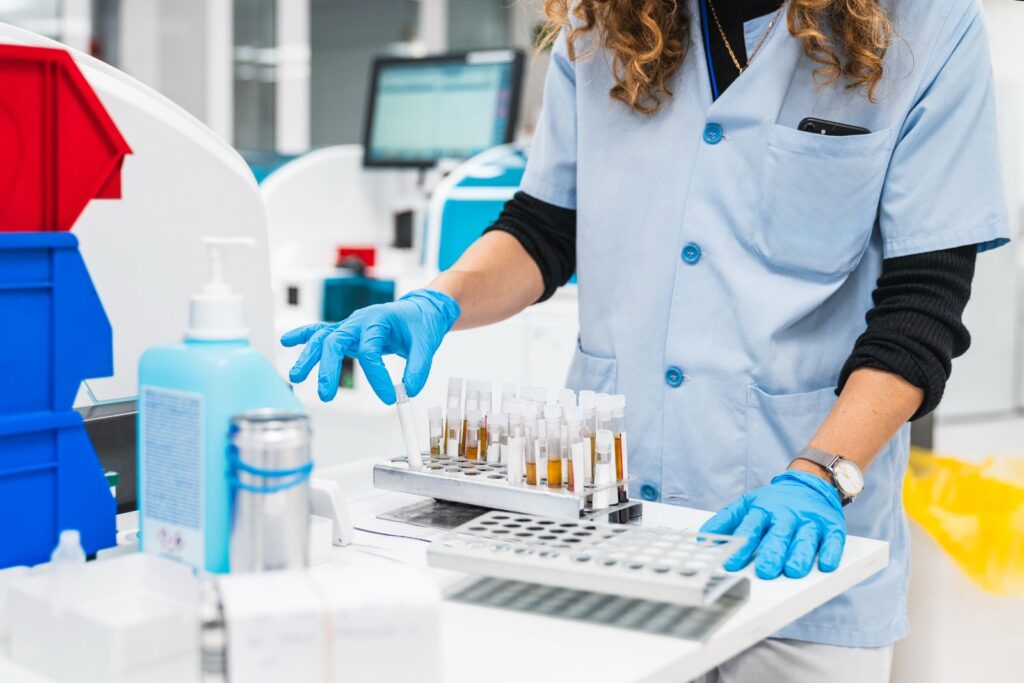
Before changing habits or starting therapy, confirm low testosterone with proper testing. Single random tests can be misleading. Clinicians in Glendale recommend testing between 7 am and 11 am on two separate mornings, when possible.
- Order the right labs: total testosterone, free testosterone or calculated free testosterone, luteinizing hormone (LH), follicle-stimulating hormone (FSH), and prolactin when indicated.
- Consider supporting labs: hemoglobin A1c, fasting glucose, lipid panel, TSH, and morning cortisol to identify metabolic or thyroid contributors to fatigue.
- Repeat confirmation: at least two morning testosterone values below the reference range are standard before diagnosing hypogonadism, along with consistent symptoms.
Immediate lifestyle steps to boost energy and cognition
While awaiting diagnosis or as an adjunct to treatment, certain evidence-based lifestyle actions can raise energy and sharpen focus. These are low-cost and low-risk, and they also improve TRT outcomes if you proceed to medical treatment.
Optimize sleep quality
Sleep directly affects testosterone production and cognitive function. Aim for 7-9 hours nightly and maintain consistent bed and wake times. Address sleep apnea if you snore heavily or wake gasping, because untreated apnea reduces testosterone and contributes to daytime fatigue.
Prioritize protein and nutrient timing
Eating balanced meals with adequate protein supports muscle mass and stable energy. Include lean protein at breakfast to reduce mid-morning crashes. Ensure vitamin D sufficiency and correct B12 deficiency if present; both nutrients affect energy and cognitive health.
Strength training and interval cardio
Resistance training 2-4 times per week increases muscle mass and raises testosterone acutely after workouts. Add brief high-intensity intervals 1-2 times weekly to improve mitochondrial function and mental clarity. Start with realistic sessions to avoid overtraining, which worsens fatigue.
Manage stress and stimulate focus
Chronic stress raises cortisol, which antagonizes testosterone effects. Use practical stress-management tools: scheduled breaks, focused deep-breathing sessions, and 10-15 minute midday walks to reset attention. Cognitive tasks improve with predictable work-rest cycles.
When to consider Testosterone Replacement Therapy
TRT is an effective option when confirmed low testosterone coincides with clinically relevant symptoms. Discuss benefits and risks with a qualified provider. In Glendale, TRT clinics provide local pathways to diagnosis, treatment planning, and monitoring.
TRT is not a short-term energy boost; it is a medical intervention that requires ongoing oversight. Typical options include gels, injections, and subcutaneous pellets. Each has pros and cons related to convenience, steady-state levels, and monitoring needs.
What to expect after starting TRT
Many men notice improved energy and libido in 3-6 weeks, with more consistent gains in mood and cognition at 3-6 months. Muscle mass and body composition changes appear in 2-4 months when combined with resistance training and adequate protein intake.
Monitoring includes periodic testosterone levels, hematocrit, PSA for prostate health when indicated, and symptom tracking. Adjustments to dose or formulation help optimize benefits and minimize side effects.
Workplace strategies to regain productivity
While biological optimization proceeds, practical workplace strategies reduce the impact of low energy. Use these proven approaches to protect performance and reduce stress.
- Schedule peak tasks early: plan cognitively demanding work during morning hours when cognitive resources peak.
- Use time blocking: break large projects into 45-90 minute focused blocks followed by short 10-15 minute breaks.
- Limit decision fatigue: simplify routine choices like meals and clothing to preserve willpower for critical tasks.
- Communicate with supervisors: brief, transparent updates about workload and progress reduce pressure and allow reasonable accommodations while you pursue treatment.
Monitoring progress and knowing when to revisit the plan
Track objective and subjective measures to assess improvement. Use simple metrics: sleep hours, daily energy rating, concentration duration, body weight, and exercise frequency. Combine these with lab follow-up to see physiologic changes.
If energy and focus do not improve after 3 months of lifestyle intervention and confirmed treatment where appropriate, reassess for other causes like sleep disorders, depression, thyroid disease, or medication side effects. A multidisciplinary approach often identifies hidden contributors.
Practical example: a 12-week plan
Week 1-2: Get baseline labs, correct vitamin D if low, establish sleep routine, and start light strength training. Week 3-6: Increase resistance training frequency, introduce short high-intensity intervals, and begin time-blocking at work. Week 7-12: Reassess labs, discuss TRT if values remain low and symptoms persist, and continue progressive training and dietary optimization.
This staged approach balances immediate gains from lifestyle change with appropriate medical evaluation and treatment. It also prioritizes safety by using lab data to guide decisions.
Safety considerations and common misconceptions
Many men worry that TRT causes infertility or prostate cancer. While TRT can reduce sperm production and may require fertility planning, it does not cause prostate cancer. However, active prostate cancer is generally a contraindication, so appropriate screening is important.
High hematocrit is a potential side effect requiring monitoring. Regular blood tests and dose adjustments mitigate risks. Use a qualified clinician to manage therapy safely, and avoid unregulated products or online dosing without medical oversight.
Local resources in Glendale and Southern California
Patients in Glendale can access endocrine and urology referrals, accredited sleep clinics for apnea evaluation, and medically supervised TRT programs. Local practices often coordinate lab testing, imaging when needed, and ongoing monitoring to support safe, effective treatment.
Choosing a provider who explains testing protocols, treatment options, and monitoring plans ensures better outcomes. Ask about experience with male hormone care, success metrics, and follow-up frequency before starting therapy.
Frequently Asked Questions
How soon will I feel more energetic after starting TRT?
Many men notice initial improvements in energy and libido within 3-6 weeks, with more consistent gains at 3-6 months. Individual responses vary based on baseline health, dose, formulation, and concurrent lifestyle changes.
Can lifestyle changes alone fix low testosterone fatigue?
For some men, optimizing sleep, nutrition, weight, and exercise can significantly improve energy and testosterone levels. However, persistent clinically low testosterone often requires medical treatment in addition to lifestyle changes.
Will testosterone therapy affect my fertility?
TRT can lower sperm production and reduce fertility. Men planning to father children should discuss alternative options such as selective therapy, sperm banking, or working with a reproductive specialist before starting TRT.
What symptoms suggest I should get tested for low testosterone?
Key symptoms include persistent fatigue, low libido, erectile dysfunction, unexplained loss of muscle mass, increased body fat, and mood changes. If these are present, especially together, talk to a clinician about testing.
Are testosterone injections better than gels?
Both injections and gels can be effective. Injections provide predictable peaks and troughs and may be more affordable, while gels offer steady daily absorption but pose transfer risk to others. Choose based on lifestyle, preferences, and medical guidance.
How often should labs be checked on TRT?
Typical monitoring includes a testosterone level 4-12 weeks after starting or changing dose, then every 3-6 months during the first year, and annual checks thereafter. Hematocrit and PSA monitoring are also commonly scheduled at similar intervals.
Restoring energy and focus with low testosterone requires a deliberate, evidence-informed plan. Start with accurate testing, apply targeted lifestyle changes, consider medically supervised TRT when indicated, and use workplace strategies to protect performance while you recover. Coordinated care in Glendale or your local area helps ensure safe, measurable progress.
Disclaimer
This blog is for informational and educational purposes only and does not constitute medical advice, diagnosis, or treatment. The content provided is based on general health information and research available as of the publication date. Individual health conditions vary, and what works for one person may not be appropriate for another.
Always consult with a qualified healthcare provider before starting any new treatment, including testosterone replacement therapy (TRT), making changes to existing treatments, or if you have questions about your specific health condition. Never disregard professional medical advice or delay seeking it because of information you read on this blog.
If you are experiencing a medical emergency, call 911 or your local emergency services immediately. The information on this website does not create a doctor-patient relationship and should not be used as a substitute for professional medical advice, diagnosis, or treatment.